Professional footballers, especially at the highest levels, are often treated as robots - expected to perform at their peak every week, again and again. When they dip, the criticism is deafening. And it's not only their football that draws scrutiny - look no further than the backlash aimed at Belgium's Jérémy Doku this week… for attending the birth of his first child!
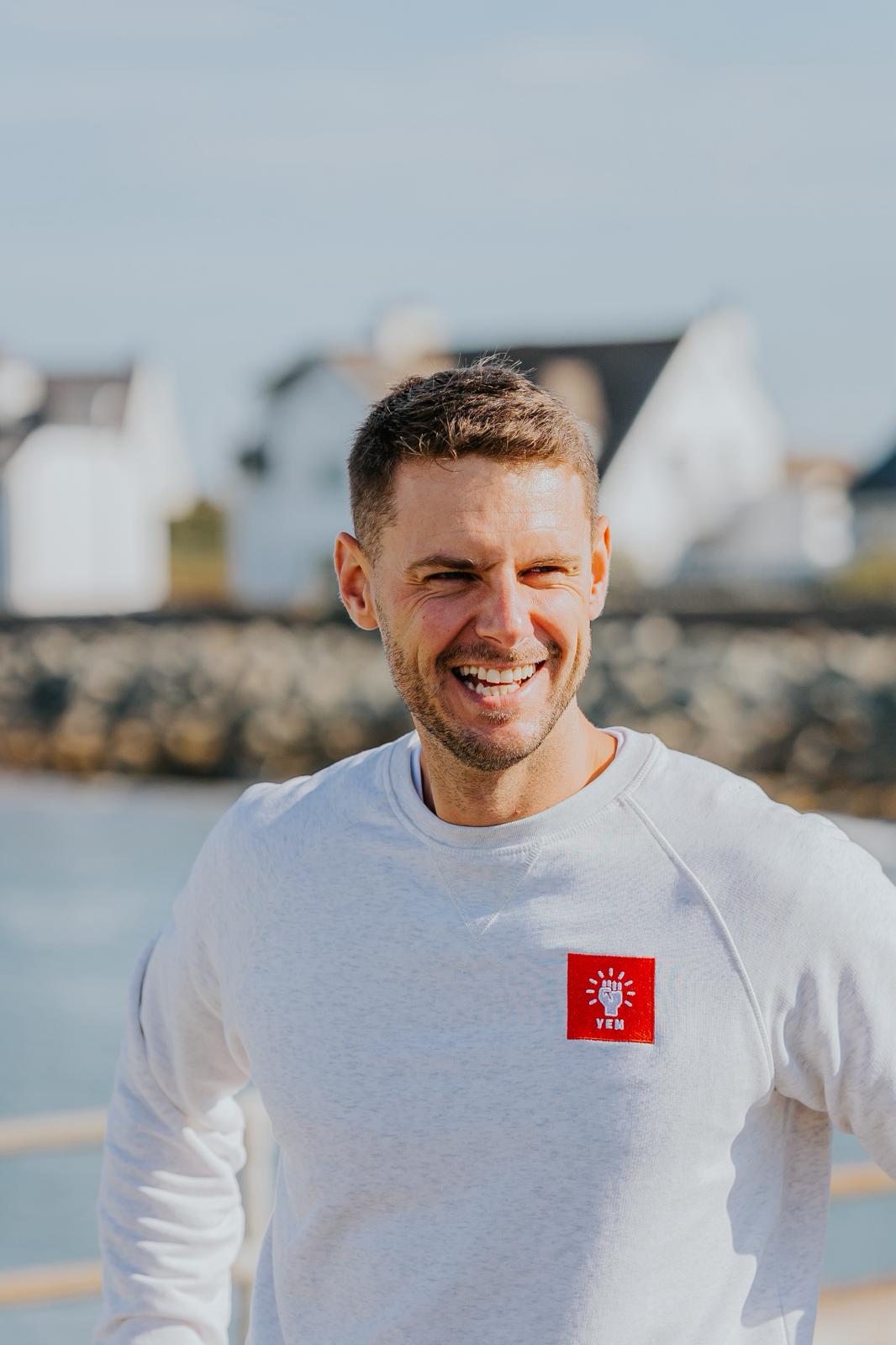
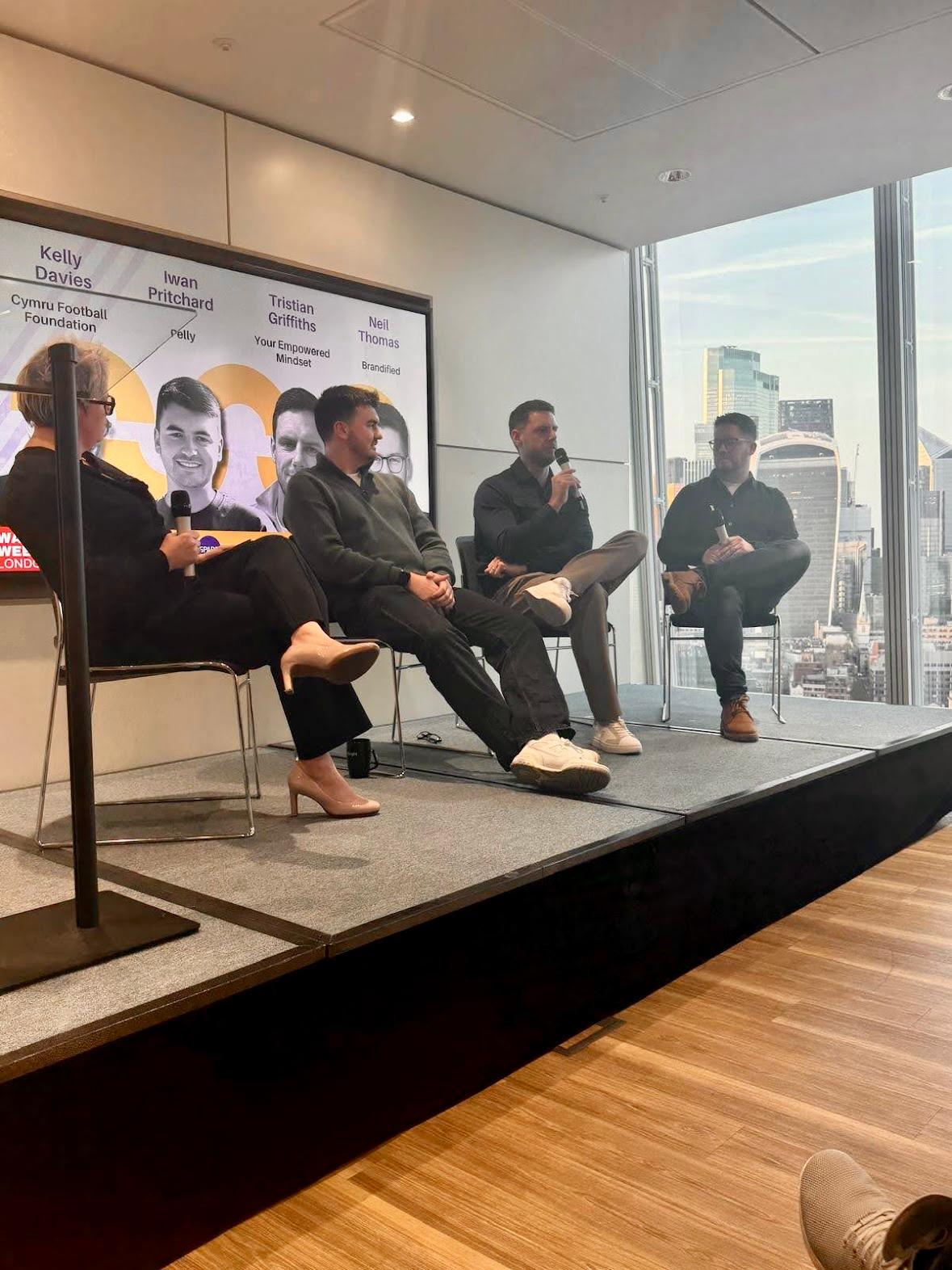
Tristian Griffiths is the founder of YEM, an independent service occupying the space between therapy and sports psychology, something many clubs don't yet know they need. He works with players and managers to help them feel their best, so they can perform their best.
In this interview, Tristian talks about building his own player care provision from the ground up, how emotional health directly affects performance, and why mental and emotional wellbeing remain such taboo subjects in elite professional football.
The interview has been condensed and lightly edited for grammar and clarity.
[ Background and how did you get into football? ]
I'm absolutely awful at football! It's like a running joke between me and my friends, because I'm the only one that’s working in football.
For the best part of a decade, I was in education where I had high-profile roles like head of behaviour and pastoral support services. I learned a lot about young people and what they required at different developmental stages. When young people are turning into adults, they need different types of support.
The very reason I do what I do now is because I had a very traumatic period where I had a mental breakdown and felt suicidal for a long time. That culminated in me going to lots of different types of support including cognitive behavioural therapy, counselling services and different types of provisions. I learned that some of them worked for me and some of them didn’t. It all depended on what was relevant for the stage I was in. Each and every one of us, we require relevant support that’s accessible to us.
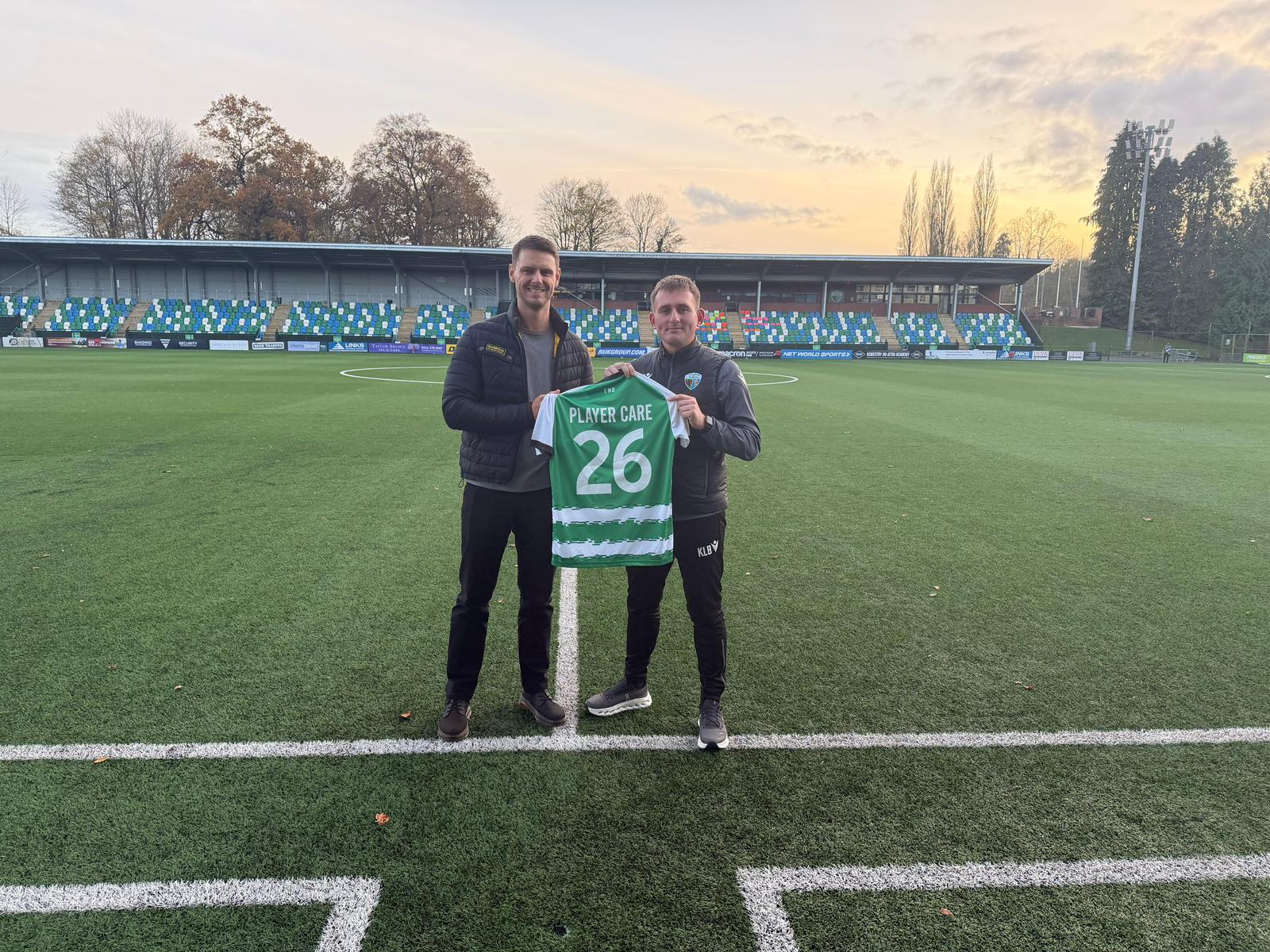
I started looking at the football landscape and realized that there's absolutely no provision in place consisting of out-and-out emotional support for players to help them perform better. It didn’t exist. You have player care within football clubs but they don’t quite do the same - and they’re not as accessible as me, because they wear the club’s badge, and therefore, players hold back a bit. You also have different sports psychology provisions that clubs will invest in but they don’t do the same type of support.
If you are a football club, and you invest heavily in your assets, i.e, your players. You want them to be as close to their best performance as possible, that’s the goal. But these ‘assets’ are expendable if they don’t perform. The number one impact on performance isn’t sports science. It isn’t strength and conditioning, it isn’t data analysis, it’s not coaching or tactics - it’s life. It’s the day-to-day relationships we’re trying to maintain. It's the way we go about our thoughts and our feelings, and how we handle ourselves in life in general, when those setbacks happen.
So, I come in with a different perspective - if you want these assets to be as close to top performance as possible, you have to cater to all aspects of their life. You've got to help them with their relationship management. You've got to help them articulate how they think and feel. You've got to give them practical strategies they can use to deal with setbacks and role transitions, such as being a player and then going home and being a dad, and a husband, and a son, or whatever the situation is. Players require support with the emotional aspect behind ‘life’. That’s the provision I provide and that’s what I’m trying to articulate to clubs.
"The number one impact on performance isn’t sports science. It isn’t strength and conditioning, it isn’t data analysis, it’s not coaching or tactics - it’s life"
[ I saw on one of your posts that you described your work as ‘not therapy and not sports psychology’ - how would you describe the work you do with a player? What does a session look like? ]
I use the phrase, ‘it's not sports psychology, and it's not therapy’, because sports psychology, it’s very useful but it’s hyper-niche. It’s visualization techniques, it’s breathing techniques, it’s directly linking performance levels of one standard to another standard. And therapy is support, but it isn't football-related. It doesn’t come with football speak, or football knowledge, or from a football background.
In football, you have this middle ground where people are saying, ‘I don’t need therapy, I just want to be able to talk to someone’ - maybe it’s about their relationship or they want someone to understand how it feels to have your parents in Africa while you’re playing football in the UK or they want someone to understand that they can’t manage their finances. It could be anything but that middle ground is just ‘cosmic’. It’s a massive gap within football that is affecting performances on a day-to-day basis.
There’s one approach I take for every session regardless of who it is and it’s called ‘the three C’s’ - calm, challenge and clarity. I try to see, is this person in a calm environment? Are they comfortable enough to share openly? The challenge, what are they trying to overcome? And the clarity, what steps need to be taken to move forward from here?
That's where the practical strategies come in. For example, one manager who I work with, he is a manager but he also still works in sales. He’s a dad to young children and he’s also a husband. He felt that all aspects of his life were bleeding into the same space. He’d walk through the door to the house and he knew that he was wanted as a dad and a husband, but he couldn't stop thinking about football. Then, he’d have emails from his job in sales saying, we need to meet these targets, you're behind schedule, it's not good enough. He'd have the owner of the football club expressing that even though the club was competitive, it wasn't enough.
When he'd go to football, he’d feel guilty about not being there for his kids, and not being the dad that he wants to be. He'd also have relationship strains with his wife, because he wasn't present, and they weren't able to communicate on the level that she would have liked.
There was so much guilt. His wife and children didn’t choose to work in football - he did. But if he abandoned football, he’d be abandoning what he believes is making him whole. So, it’s a difficult thing to overcome.
We got into a routine, where he felt he was in a safe place and comfortable expressing all these concerns. After identifying it’s not that the tasks feel unmanageable, it’s that he’s finding it very difficult to switch between ‘each person’ when that time comes. We implemented strategies to help him switch contexts and hold him accountable. For example, one strategy was a ‘role transition switch’, when he arrives home in the car, he doesn’t get out of the car immediately. He sits there for 5 minutes, contemplates the situation he’s just come from, the conversations he’s had and what he needs to reflect on before putting that day to bed. So, every time the car door shuts, that sound is a physical sign that says, ‘management is over, I’m now in the house with my children’. Having a trigger like that is very important for the brain to register, ‘it’s go time’. We meet weekly to vent, to air frustrations but also to hold him accountable.
[ Are you only working with senior players, or also youth players? ]
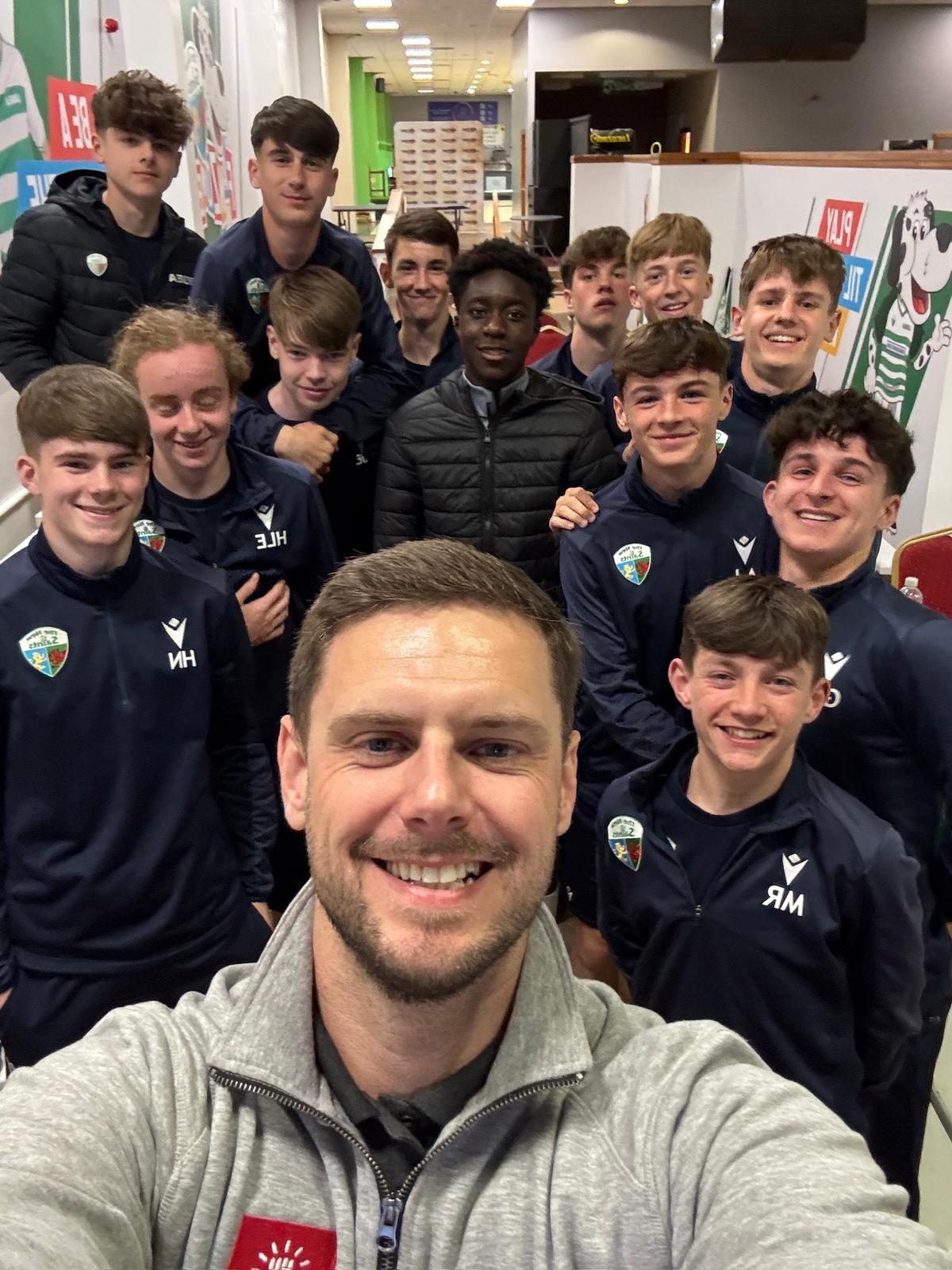
Both. The majority of my time is spent with mens’ first teams but next season, I’m likely to have one women’s team and two academies, so the age range will vary quite a lot.
[ The players and managers you’re working with, is this usually their first time speaking to someone like you or have they often tried things like therapy or sports psychology before? ]
It's a mixture, but definitely, predominantly, the first time they have this type of support, which is why it works so well. I think for a lot of men in particular, going to therapy is a big psychological step that they don’t want to take. So, the idea of seeing someone in the middle is far easier to accept psychologically than going to ‘therapy’.
I've also got players that have gone to look for provision in the past, or if they haven't done therapy, they have spoken with someone like me at different club settings. Interestingly, there’s a definite age difference between their accessibility and their vulnerability. Young players will openly come out and say, ‘can I have sessions? I've got some issues.’ It doesn't matter if it's in a crowd of people. I think because they are growing up more exposed to the concept of mental health and how important it is, they’re finding it much easier. Whereas, the older players and older managers, they beat around the bush a lot, and say, ‘oh, are you available for a chat?’ and then during the chat, they'll try and figure me out before they let go of anything. They’ll want to know my background and what my situation was at times. Only when that boundary is broken do they come out and say, okay, here’s what I need support with.
[ What is your process for getting new clients - do you go through the clubs or direct to the players? ]
It’s very tough, if I'm honest with you. It’s difficult because people still aren’t linking emotions to performance. When you talk to football clubs, and you introduce yourself as a mental health provision, they might play the game and tell you it's important - but it's nowhere near the things they want to invest money in. It's nowhere near, because it's not performance.
When you come in with the angle that these are your assets, and they have emotions, because they're human, and that they need to be able to feel free, feel light, and feel better to be able to play their best. Then the conversations change.
A lot of my new clients are coming from referrals from people I’ve worked with previously. I have a lot of feedback and testimonials and new clients reach out and say, ‘oh, I’ve heard this worked well for X club’. But it’s difficult because it doesn't matter how well you market yourself in football - it’s all about who you know.
"they might play the game and tell you it's important - but it's nowhere near the things they want to invest money in"
[ Do you think players are worried about their teammates - or the manager - ‘finding out’ that they are doing sessions? ]
The very reason my provision works and is so different is because it is independent. The club invests and the meetings are confidential.
Some of them are totally fine with expressing that they come to me but everything we discuss is entirely confidential because I'm not held to account by the club in that way. That’s the difficulty you have with internal player care or welfare staff - as long as you wear the club badge, you’re not going to get full honesty from players. Maybe you’ll occasionally get one who feels safe enough in your company to express these things but 99% would prefer for it to be confidential and independent from the football club.
When they acknowledge that and they realize that, it's far easier for them to access the support. And I go to the clubs because I believe that the club should invest in this on a performance level.
Still, some players do come to me independently and make inquiries because they can be fairly proactive with what they want in their support bubble.
I'm definitely built for clubs as a system and it’s a benefit for the clubs to have me as an access point. The club is able to understand my story and we build a package together. If you have 25 players and they’re all going to a different sports psychologist or a different therapist, you have no knowledge or control from a club perspective. When you invest in YEM Player Care as your club’s provision, I can, confidentially of course, share themes with them. Things like, ‘12 of the 15 players scored very low in self-esteem’. So, as a club, what can we put in place that might impact this? If you’re getting that from 15 different sources, you could never find patterns like that.
[ Is there some version of ‘doctor-patient confidentiality’? What if someone discloses someone genuinely serious or beyond the scope of player care? ]
With under-18s, it's very simple. You’re bound by law to provide clear and effective safeguarding strategies. Even though they’re entitled to the same confidentiality, I record any session with an under-18 year old. It’s explicit in the case that if they were to share that they are clinically depressed and suicidal, then I haven’t got a choice. I have to share that with the club safeguarding lead.
When they're adults, it's a case of supporting them the best I can while protecting their confidentiality. I make sure to be very clear with people about what I do and what I’m not. If I feel that someone requires more advanced support, then I actively tell them and point them in the right directions. It doesn’t undermine what I do and it only serves to help them.
But if they’re an adult, I have to protect confidentiality, there’s a reason they came to me and trusted me with their thoughts and feelings. If I then go and share that with the club, I’m undermining the whole purpose of my work.
[ Is there a more established ‘model’ for the work you’re doing in other industries or other sports where this type of support is more normalized or more common? ]
I know there are people operating in similar spaces, and I’ve had some interesting conversations with people in other sports but I’m yet to see something like this. What you tend to see, and this is by no means a criticism, is a lot of free services. So, links to helplines, links to charities and things like that.
But the reality is, elite performers aren't accessing those provisions. They don't want to be given a helpline. They don't want to be given the number to a stranger. They don't want to be given a flyer which says, here's how you access therapy.
They want to know who's on the other side. They want to know that the words they use within a football context are understood. You see how the public reacts when a player earning £100,000 a week to play football says they’re still depressed. It’s such a difficult psychological step to take. So, they want to know the person they’ll be speaking to and trust them. I don’t want to be hypercritical of free support - I’m not! - it’s just the reality that they aren’t using it.
"You see how the public reacts when a player earning £100,000 a week to play football says they’re still depressed. It’s such a difficult psychological step to take"
[ How would you describe the attitude towards mental health and emotional care in football right now? ]
It’s a very broad question and there’s a few layers to my response. I don’t feel that the current mental health provision is getting it right. I don't know what the statistics are across the world, but in the United Kingdom, 3 out of 4 deaths by suicide are male. And so we're saying things like, ‘open up’ and ‘speak to your mates’. But they don't know how.
The issue has moved from being unwilling to being unable. I see this in multiple men every day. Your typical, average, working male, it’s not that they are unwilling to open up, it’s that they don’t know what to say. There’s an activity I do in corporate settings, I ask them to write down all the ‘feeling words’ they can and it’s often under 10. Then I ask them, circle the ones you’ve said in the past and they circle maybe 4 or 5. So, when people ask you, ‘are you okay?’ - you have just four responses to choose from.
When we look into football, it’s a little different because people are hypercritical of performances and circumstances - the general public believes that the players should be there every Saturday on our televisions and be the best version of themselves. They don’t feel safe to come out and say they are having difficulties because we’re not allowing them to, we’re putting up these walls and saying, ‘weakness is not tolerated here’.
[ There’s been several high profile cases in English football over the last years of top players speaking about their mental health struggles - e.g. Danny Rose, Marcus Rashford, Dele Alli, etc - I think they broadly received a positive, or sympathetic, response but it’s unclear if this has benefitted their careers. What do you think? ]
I don’t think I’ve seen an incident where, when they've shared, it hasn't benefited them and multiple other people. But the question is, why did they leave one setting to talk in reflection about the setting they left? There hasn't been a footballer who has been brave enough to vocalize the current moment. It’s always reflective.
It's because we're underskilled within football settings. A lot of managers are old-school managers who have had rough-and-tumble upbringings, and that's the way it is. They set the tone. That’s the business.
Of course it depends on the setting too, taking into account how the players speak about him, it seems Carlo Ancelotti is an incredible man-manager. He’s brilliant with the players and brings the best out of them because he understands them as people. He speaks openly about them as people first. But if you aren’t in a setting like that, with a manager like that, you start to factor in, if I share mental health concerns, this manager might not select me on the weekend. Then, I won’t be able to play football, I won't be able to do what I love to do. The best option is to stay quiet and move on. Until they're in a safe setting, and then they can reflect back and say, I didn't like being in that setting.
[ It seems like the main ‘selling point’ for clubs (and players) is that your work affects performance - are you also working with clients who are retired or transitioning to a new phase in their life (where the focus is maybe less directly on performance)? ]
There are lots of people doing great work in that area and I’ve had great conversations with many of them but it’s not an area that I feel I have the right expertise in. I know a few people in that situation, where they find it incredibly difficult to replicate what they got on a daily basis as a player.
I did work with a manager, who was finding it difficult that he wasn’t a player anymore. How do you replicate the amount of physical activity you got in or the amount of banter you got in on a daily basis or the stimulation from practice drills and matches, the adoration from fans? You can’t - and it’s all ‘taken’ at once. When you’re no longer a footballer, those things go away overnight. That’s so difficult.
[ How does this work make you feel? Is it sad sometimes? Is it fulfilling? ]
It's incredibly rewarding. It really is. Even the most difficult conversations can be extremely rewarding for me.
I've been in such a difficult place in my life, and I've been in such a difficult time, that, for me, it was about finding my own purpose, finding a real reason to get out of bed every day, and a real reason to aspire to be something that I would be really happy to be, and not just follow a path that I believed was ‘normal’.
And so when I get to help people - footballers and managers - feel better and play better, it always gives me a sense of achievement. That's what I'm chasing all the time, the sense that I've helped someone go from one place to another, and that it's helped them in their performance - because that's ultimately what they wanted!
Maybe they always felt like ‘I should be a good footballer, regardless of my circumstances’ and I can show them that everything is connected. And when they come out and say, ‘now I understand why I could never reach another level, because these things I’ve learned are so vital to my performance’ - that’s incredibly rewarding and I always feel very lucky to be the person they think of.
"It's incredibly rewarding. It really is. Even the most difficult conversations can be extremely rewarding for me."