In small towns and villages all over the world, children have little or no access to football training and facilities. In vast countries like Kazakhstan, the urban-rural divide in football is stark. Supernovas, a free grassroots program started by inDrive in 2022, set out to change that, and at its peak reached over 4,000 children in 8 countries on 4 continents.
Toktar Yeskendirov, a former chemical engineer and IT project manager, led Supernovas in Kazakhstan and now runs its successor foundation, Football For Kids, as director.
In this interview, Toktar shares the reality of grassroots football. From gaining trust as a new organization starting from scratch to expanding internationally and going independent as a public foundation.
The interview has been condensed and lightly edited for grammar and clarity.
[ Background ]
I'm 34 years old and have been working in football for the past five years. Before that, I was a chemical engineer and later worked as an IT project manager in a bank.
I never played football professionally - I've always been an amateur. When I was eight, I tried to join a professional team in Karaganda, Kazakhstan. The coach expected everyone to arrive early and run before training. I thought that if I came 30 minutes later, I could simply join the football session. The coach warned me that if I did it again, I shouldn't come back. I didn't listen, and he never let me train again. That's where my competitive football journey ended. Still, I've always loved the game.
In 2022, I joined inDrive to work on a social football project called Iskra - the Russian word for "spark." In 2023, the project was rebranded as Supernovas as we expanded internationally. The program operated in seven countries until the end of February 2026 - Egypt, Kenya, Ghana, Morocco, Colombia, Chile and Mexico - while Kazakhstan continued until the end of May 2026.
[ Can you explain the Supernovas program? What is it? How does it work? Who is it for? ]
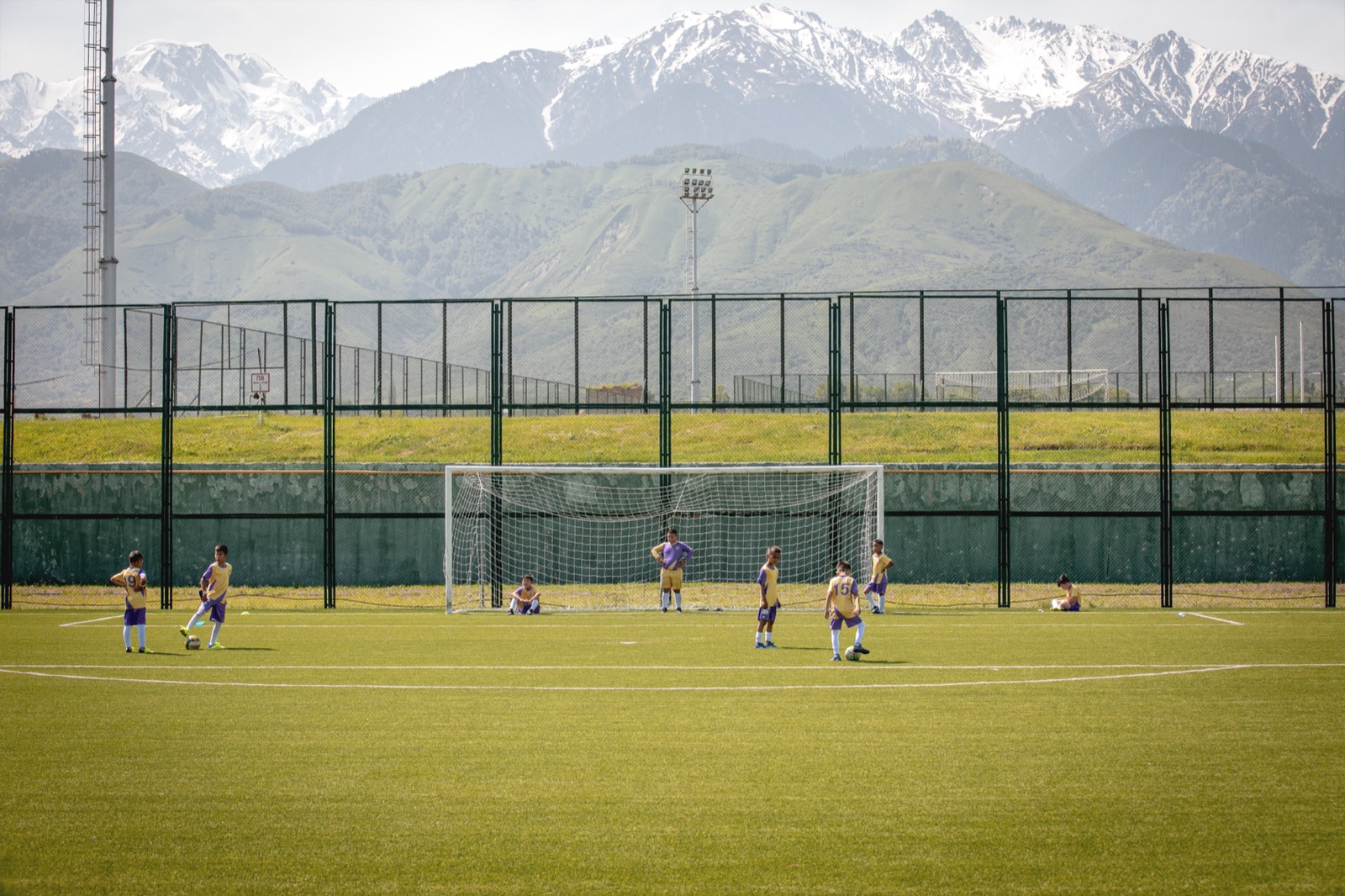
Initially, the idea was to open free football sections in rural communities. One of inDrive's core values is challenging injustice, and we believed it was unfair that children growing up in villages and small towns didn't have the same access to football as children in large cities.
The model varies slightly from country to country, but in Kazakhstan we focused on communities with fewer than 50,000 residents - small towns and villages where children had very limited opportunities to play football. The program is primarily designed for children aged 5 to 12, although in some locations older children also participate.
Our first priority was finding motivated local coaches. Once we found the right person, we helped them open and run their football section by providing equipment, educational resources and ongoing support - both on the sporting side and, when needed, around communication with children and parents.
One thing we try to do differently from more traditional programs is to make things as easy as possible for the coaches. We don't ask them to complete excessive paperwork or follow rigid training plans. We provide the essentials, offer initial training and are always available if they need support - for example, with planning sessions - but if they prefer to work independently, we trust them to do what they do best.
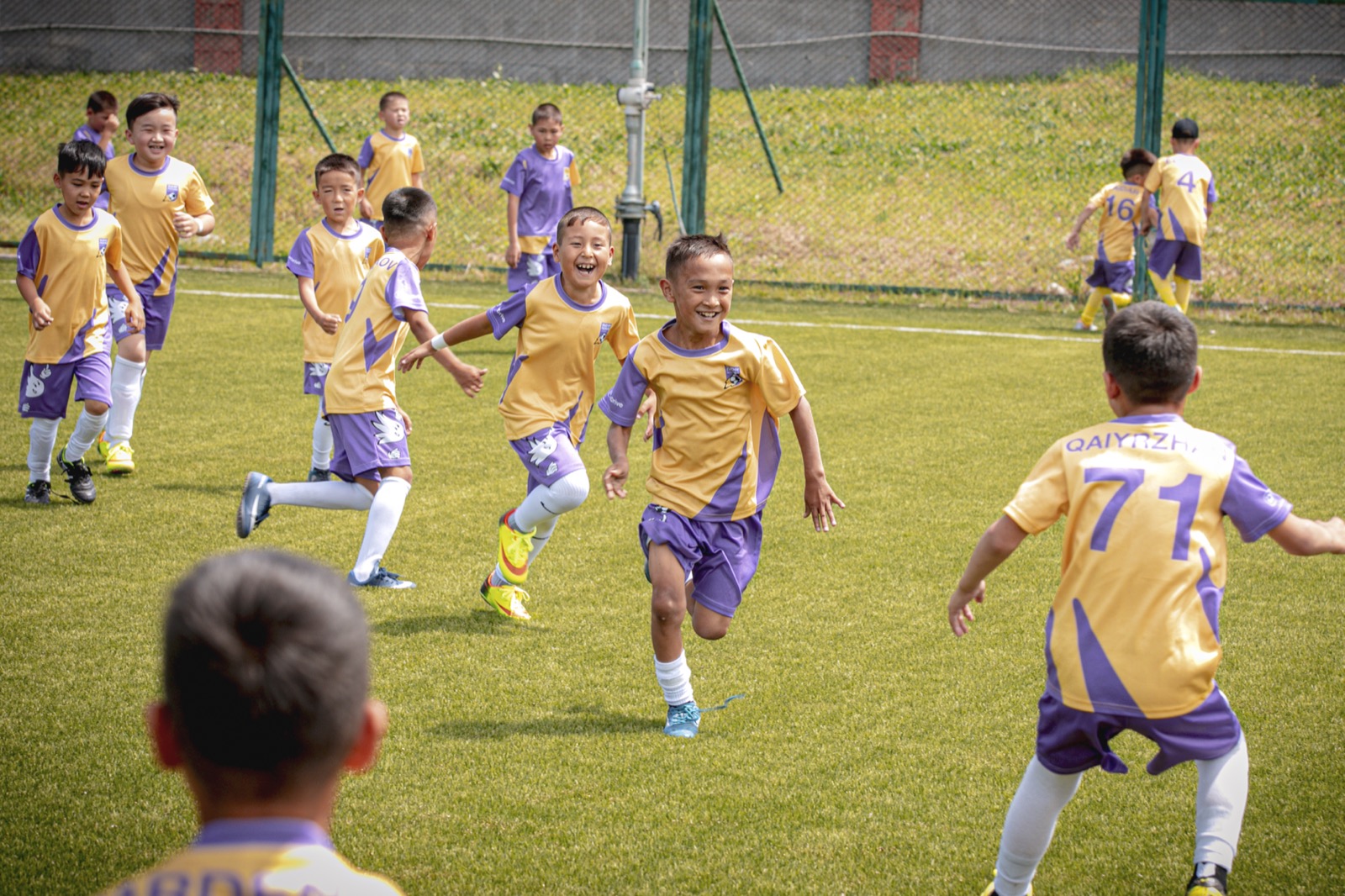
In general, each group trains three times a week for around 90 minutes, although there's flexibility. Some coaches organise additional sessions where children simply come together to play football. It really depends on the coach. Most of the people we work with already have coaching experience. Some played professionally, many are PE teachers, but others come from completely different backgrounds - we've worked with IT teachers, physics teachers and even railway employees.
"We don't ask them to complete excessive paperwork or follow rigid training plans."
[ Why was inDrive - a ride hailing platform - interested in running this program? ]
inDrive was founded in Yakutsk, one of the coldest regions in the world. After becoming a successful global company, its founder wanted to invest in social initiatives, particularly in education and community development. The 2018 FIFA World Cup in Russia also helped inspire the idea behind the project.
He often says he didn't enjoy the way sport was taught at school. Physical education was based on pressure and strict discipline rather than encouragement. He wanted to create something different - a football program built around respect, safety and a non-violent coaching approach.
The project launched in Russia in March 2022, expanded to Kazakhstan later that year and then to Africa and Latin America in 2023. Because inDrive operates in almost 50 countries, we focused on countries where the company already had a presence. At its peak, Supernovas operated in eight countries, with more than 40 football sections and over 4,000 children participating.
When inDrive decided to shift its social investment priorities, we established an independent public foundation and have continued the program in Kazakhstan.
[ It seems like the program relies a lot on the coaches you can attract - how does this process work? Do you need to convince them or are they excited to do it? How do you monitor their work? ]
We know that parents usually decide on extracurricular activities at the beginning of each school year. That's why, in Kazakhstan, our football season runs from September to May, although we remain active during the summer as well. In other regions, the timing was different. For example, in Latin America we usually started in January to match the local school calendar.
We begin recruiting coaches several months in advance, usually between April and June. We promote the opportunity online, share information through WhatsApp communities and other local channels and, in Kazakhstan, we also receive support from the Football Federation.
At the beginning, recruitment wasn't easy. Nobody knew who we were and many people thought the project was a scam because they'd had bad experiences with similar initiatives. Over time, trust grew, but finding the right coach has always remained our highest priority. The specific location matters less - if we find several great coaches in one region, we're happy to open multiple sections there.
The process starts with an application followed by a short screening test. Some questions are intentionally simple, for example: "Is it acceptable to hit or shout at children during training?" Surprisingly, some older applicants still answer "yes", and many parents also see that as normal. I don't agree with that approach, but I understand that it's rooted in how previous generations experienced sport.
After that, we interview the candidates. Usually, it's quite clear whether someone is the right fit. Sometimes there are practical issues as well - for example, if someone is only available once or twice a week, it simply doesn't work for our program.
Once we've found the right coach, there's very little need for day-to-day supervision. Coaches take ownership of their sections. Each coach creates a WhatsApp group for parents, and I'm part of every one of those chats. Parents can contact us directly if they have concerns, and we also run surveys twice a year to collect feedback, ideas and suggestions for improving the program.
"Nobody knew who we were and many people thought the project was a scam because they'd had bad experiences with similar initiatives."
[ What is the gender split in the programs? ]
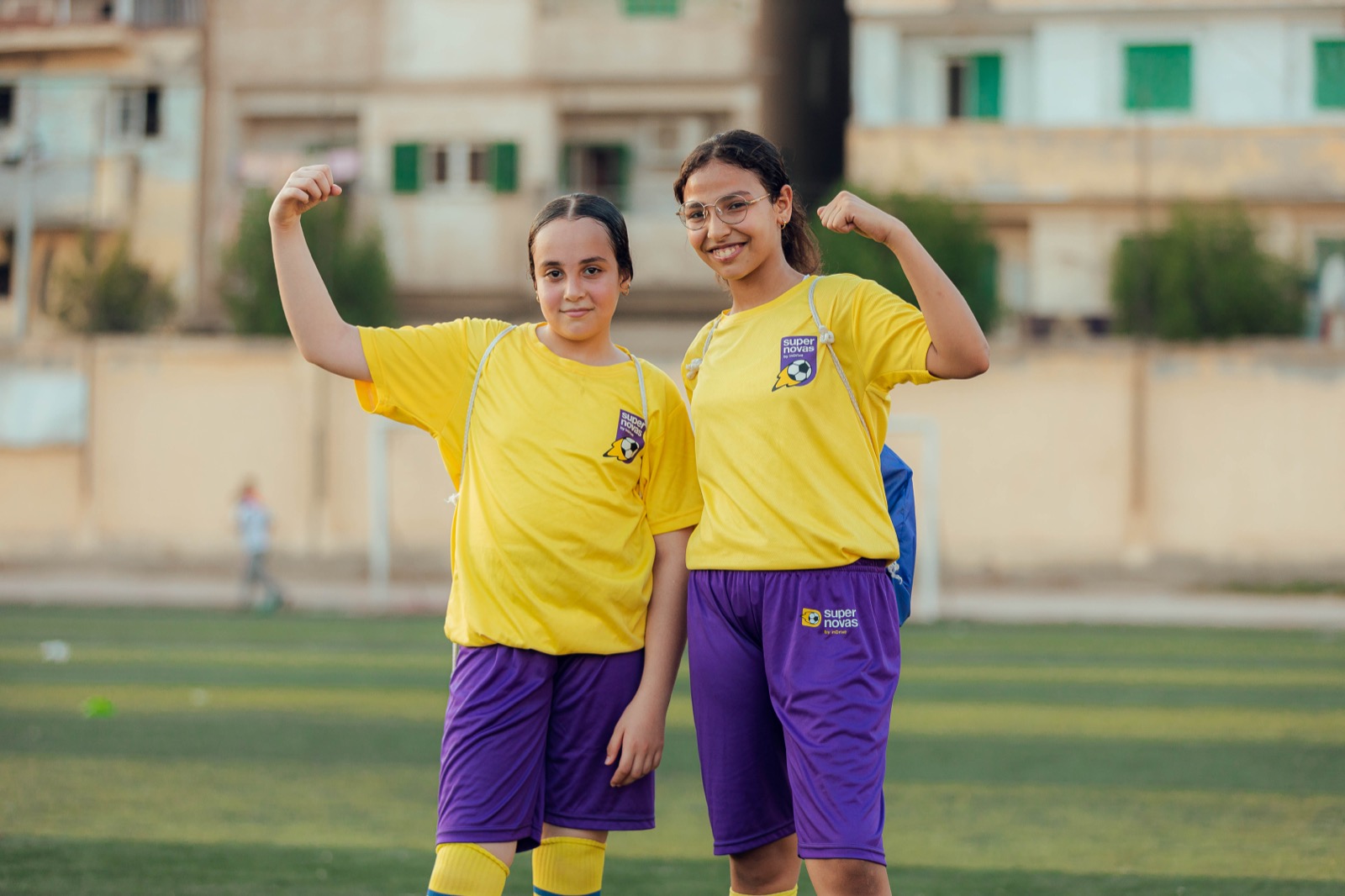
Right now we have about 950 children, and just under 10% are girls. A lot of this comes down to how parents see girls participating in football. In cities, families are generally more open to the idea, but in many rural communities parents still ask, "How can she play with boys?" Football is often seen as a contact sport, and many parents would rather their daughters choose music, dancing or volleyball, even if the girls themselves want to play football.
That's still a challenge for us. In one section we have only one girl, and in two or three sections there aren't any girls participating at all. We work closely with our coaches to encourage more girls to join, but changing attitudes takes time.
For us, everyone is welcome. Whether you're a boy or a girl, experienced or just starting, everyone deserves the opportunity to play.
[ Do you work with the local clubs or the existing 'football ecosystem' in the cities you work in? ]
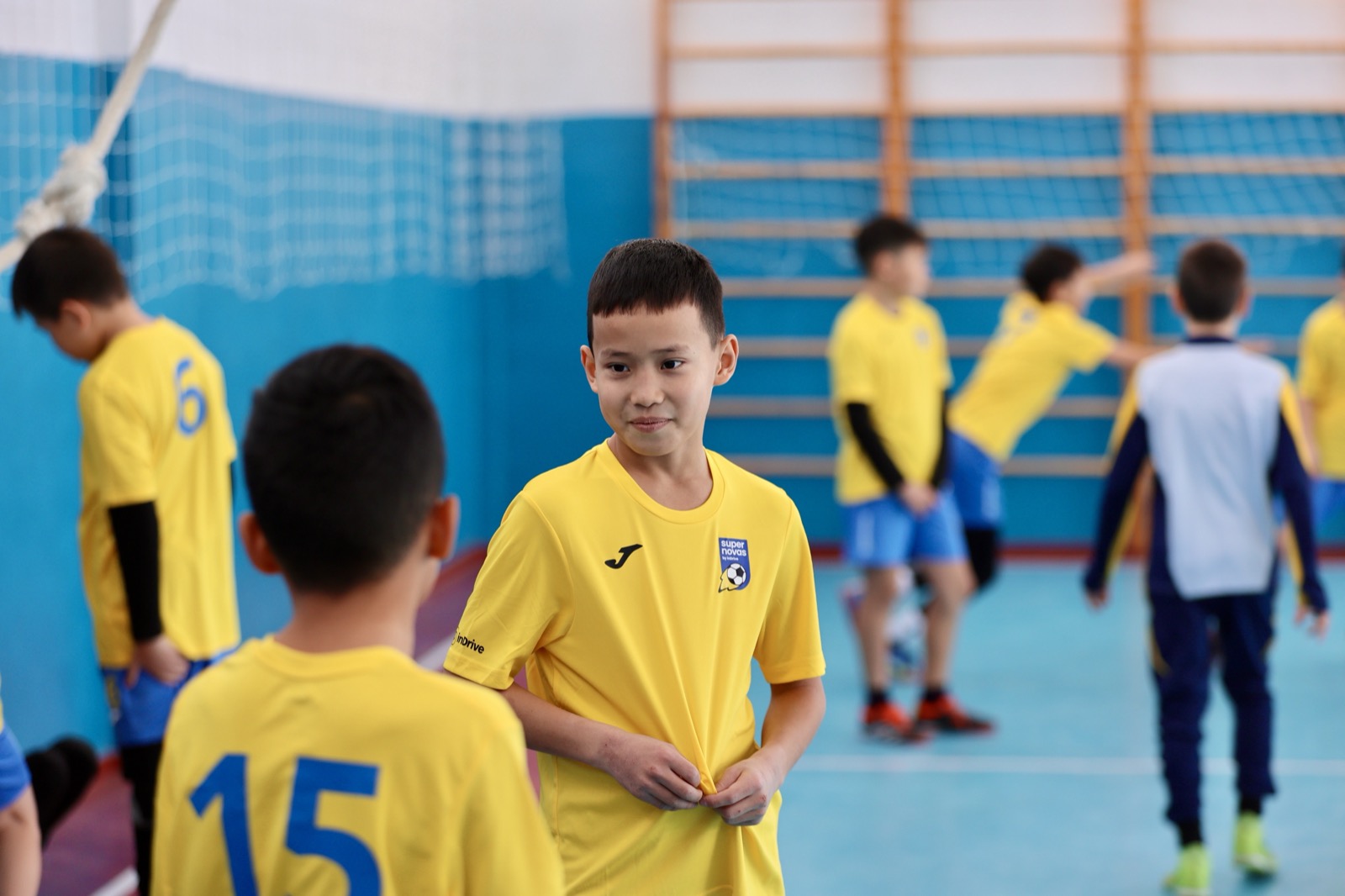
Normally, we rent existing facilities. In Kazakhstan, especially in smaller towns and villages, grassroots football isn't very well organised. Funding is limited, infrastructure is often lacking and even larger clubs face similar challenges. That's why we usually work with school facilities.
Because of Kazakhstan's climate, most of our locations also need indoor training during the colder months. From around October until March or April, almost every session takes place indoors. At first we explored different options, including building our own infrastructure, but it quickly became clear that renting existing facilities was the most realistic solution.
One challenge we experienced while working under inDrive was that many clubs and municipalities viewed us as a large international company. As a result, they often expected sponsorship, advertising partnerships or financial support in return for access to facilities, which made things more expensive than we had anticipated.
[ Did you have different challenges (or language barriers) when you expanded outside of Kazakhstan? ]
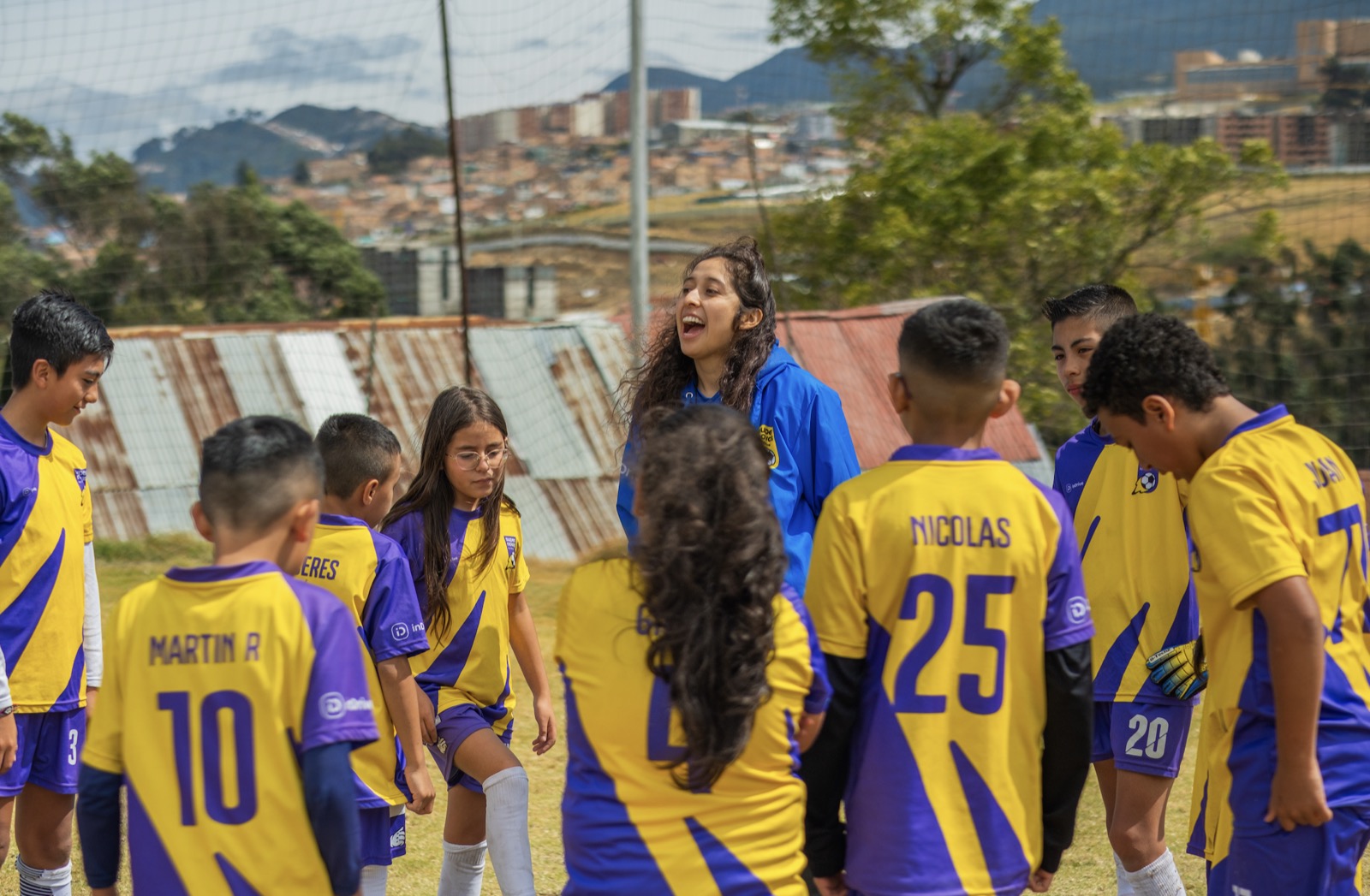
I visited Africa once, specifically Cairo, but each region had its own local project manager. In Latin America, my former colleague Laura was based in Bogotá and spoke Spanish fluently. In Africa, Omar was based in Cairo and spoke both English and Arabic. Thanks to them, language wasn't really a challenge. For me, it probably would have been.
The overall approach stayed the same across every country. The biggest difference was the context. In Egypt and Morocco, for example, the need wasn't in rural villages but in larger cities where many children still didn't have access to free football. Because the program was free, there was a lot of interest.
There were also cultural differences. In several African countries, coaches were already familiar with international development programs supported by organisations from Europe or the United States, so they understood our model immediately and we received many applications. In Kazakhstan, it was completely different. During the first year, very few people applied because nobody knew who we were. We had to spend much more time explaining our vision and building trust. Every region required a different approach.
[ Do you work with the Football Federations in these countries? Are they open to collaborating? ]
It depends on the country.
In Chile, for example, when we met with the Football Federation, they explained that they were already focusing on developing similar initiatives independently. In Colombia, the Federation was much more proactive and open to collaboration.
In Kazakhstan, we've worked closely with the Football Federation from the very beginning. It also helped that I already knew several people there. In 2023, during our first festival, we brought together 120 children from four football sections. The Federation gave us access to their facilities free of charge for three days. They have also helped us promote the program and connect with local partners in different regions whenever needed.
[ Were you able to keep some of the international programs or are you just working in Kazakhstan now? ]
At the moment, we only operate in Kazakhstan. The core approach hasn't changed, although our resources have. We now have a smaller budget, so we're looking for grants and long-term partners who believe in the project.
My vision is that, if we build a sustainable foundation, we'll eventually expand into Kyrgyzstan and Uzbekistan and create a grassroots football initiative across Central Asia.
Of course, there are already football initiatives in both countries, but I believe there's still room for a more systematic approach across the region.
Setting up a public foundation in Kazakhstan turned out to be much more complicated than we expected. Officially, the process is supposed to take around 15 days. In reality, it took several months. We had to revise and resubmit our documents multiple times - sometimes because of very small technical details - and our application was declined seven times before we finally completed the registration. It was a challenging process.
The biggest challenge today is funding. Every day I'm speaking with potential partners and sponsors. My background is in project management, not fundraising, so this has been a completely new experience for me.
Some friends who are entrepreneurs helped us with the initial funding, which gave us enough time to launch the foundation. But now we're focused on finding sustainable, long-term support. At the moment we've reduced the number of sections from 13 to 9 so we can continue operating responsibly.
In the long run, though, I actually believe the foundation has more opportunities than we had before. As an independent public foundation, we're now eligible to apply for grants and work with a much wider range of partners than we could as part of a private company.
[ Besides coach recruitment, what does your day-to-day look like? How has your role changed since it was backed by inDrive? ]
There's a huge difference between what I do today and what I did when the project was part of inDrive.
Back then, we had dedicated teams for PR, marketing and design, as well as an established budget. My role was primarily project management - working with coaches, coordinating equipment and schedules, managing the budget and maintaining relationships with our partners, particularly in Kazakhstan. It was a fairly classic project management role.
Today, as the director of the foundation, my responsibilities are much broader. I still manage the coaches and the day-to-day operations, but I'm also involved in fundraising, HR, accounting, content planning and many other areas.
At inDrive, we had a large team. Today, we're just three people. Alongside me, one colleague manages our website and technical tasks, while another former inDrive teammate leads much of our visual communication and content. We also have two people who supported us during the registration of the foundation. They aren't involved in the day-to-day work, but they continue to help through their networks and with grant applications.
[ How do you see the role of Supernovas/Football For Kids in the wider football world? Do you see this as a place where kids can start their path into professional football or not related to competitive football and more focused on social or fitness goals? ]
For me personally, the project has always been about giving children the opportunity to play football in the right environment. If one day a child from one of our sections becomes a professional footballer, that would be an amazing story. But that has never been the main goal.
The main goal is to make football accessible and enjoyable. Sport gives children physical activity, confidence and a chance to learn in a supportive environment.
When I was at school, physical education usually meant the teacher gave us a ball and let us play. If you were already good, you enjoyed it. If you weren't, nobody really helped you improve. I think that still happens in many places today.
There are talented children everywhere. Our coaches help them take their first steps in football and continue developing if that's the path they choose. Of course, every coach dreams that one of their players might eventually become a professional. That's completely natural. But they also understand that football can have value regardless of where a child's journey leads.
More broadly, I think children today spend less time outside than previous generations. Social media and mobile phones have changed the way they communicate and spend their free time.
We've seen many examples of how football can make a real difference. I remember one boy from a small village who struggled to communicate with his classmates and often felt like an outsider. Through football, he found friends, became more confident and developed communication and leadership skills that helped him far beyond the pitch.
For me, that's the most important part of what we do.
Sometimes the biggest impact isn't a trophy or a professional contract. It's simply giving a child the opportunity to belong, to grow and to discover what they're capable of. We can't always measure those outcomes, but when we create the right environment, we see the difference.
"Sometimes the biggest impact isn't a trophy or a professional contract. It's simply giving a child the opportunity to belong, to grow and to discover what they're capable of."