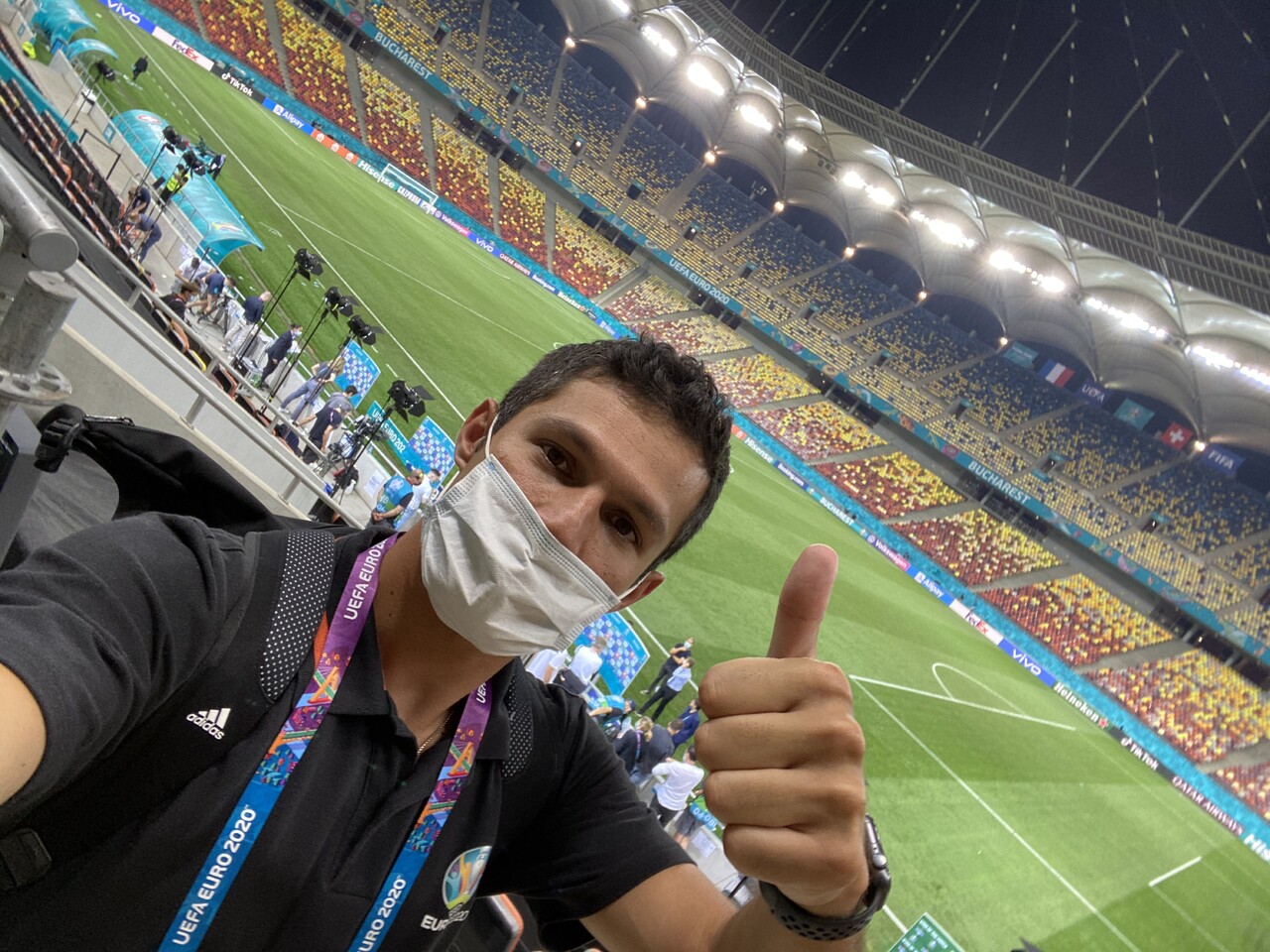
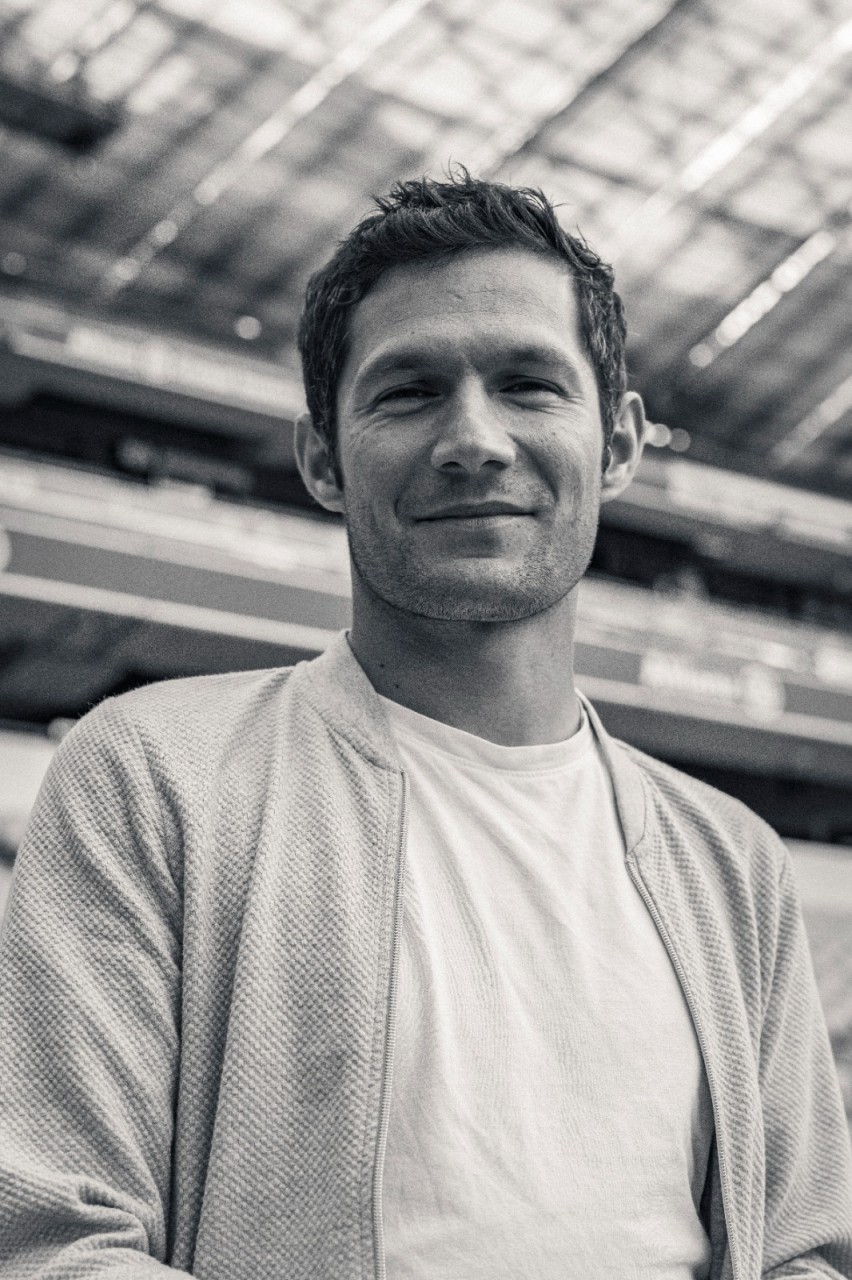
Jordan Maciel has spent 10+ years covering the game from the inside - from running Bayern Munich’s social media accounts to reporting from the touchlines of the Champions League, he has seen firsthand how football stories are told.
Now, he’s helping change that. Working with players, coaches, and industry leaders, he helps football professionals share their experiences and perspectives in their own voice, away from the bland, ‘media trained’ voices so common in football today.
In this interview, Jordan discusses his path through German football, the evolution of football media, his move into entrepreneurship and why owning your story is becoming more important than ever.
The interview has been condensed and lightly edited for grammar and clarity.
[ Background ]
I grew up just southwest of London, but after studying German at Warwick University, I moved to Germany in 2015. It was during my year abroad in Cologne that I started groundhopping, and I really fell in love with the country and German football. That’s really where it started.
My first job was at a sports agency in Munich called mmc sport. I started as a trainee translating website content and running social media accounts for Bundesliga clubs. My first club was Werder Bremen, but eventually I took over the Bayern Munich English accounts and did a lot with Schalke.
Through the agency, I got the opportunity to work for UEFA. An opening came up for a Munich-based reporter covering Bayern. I couldn’t believe my luck landing an opportunity like that – they gave me the Champions League group stages to prove myself, and I made that job mine. I did that for eight years and covered some classic matches across the Champions League and EUROs.
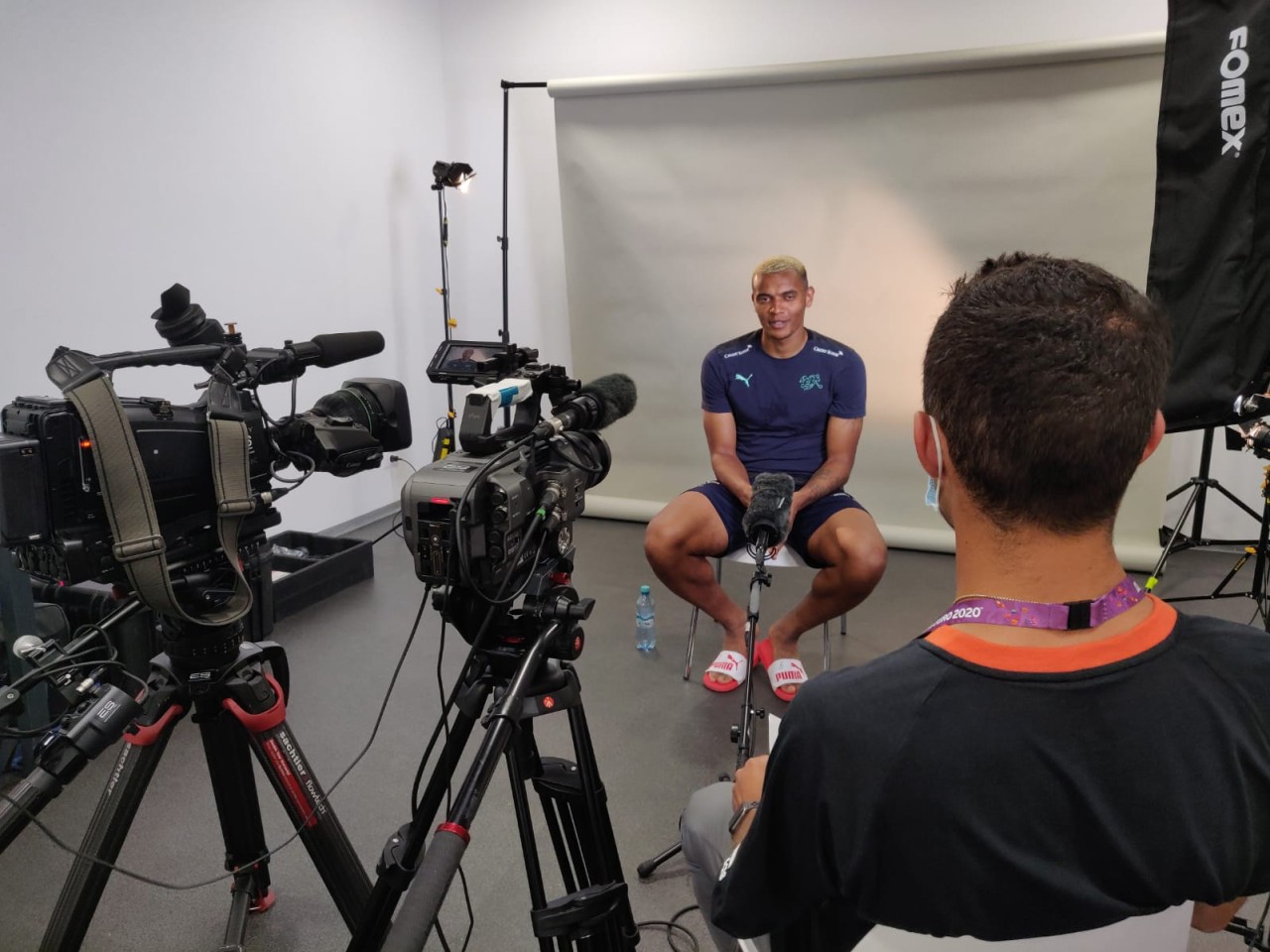
I also had the privilege of interviewing some of the best players and coaches around. One that sticks out was Haaland’s Champions League debut. He scored a hat-trick for Salzburg but gave me a torrid time in the post-match interview! It was embarrassing at the time, but I can laugh at it now.
Eventually, I felt like I needed a new challenge. As fun as the job was, it felt repetitive and I wasn’t growing professionally, so I spent a couple of years working in different marketing roles and industries to sharpen my skills. I left Munich in 2024 to start my own business and travel.
That’s when I decided to bring all my skills and expertise together, helping football professionals tell their stories online.
[ Where did the interest in Germany and German football come from? ]
It’s a good question. I studied German at school, but didn’t really see the point of learning a language. It was only when I went to Berlin and made some friends on a British Council exchange in 2008 that I saw the value of it.
That eventually led me to studying German at university, along with English literature. During my year abroad in Cologne (2012-2013), I spent most weekends groundhopping around the Bundesliga and 2. Bundesliga. That’s when I really developed an interest in German football and the fan culture. It was just a fun way to experience Germany – I had no idea I’d be moving back in less than two years. That interest, combined with my language skills, played a huge role in me landing my first gig in Munich in 2015.
[ Were you active on social media in your personal life before working in social media? ]
I used to spend a lot of time on Twitter, though I never posted to build an audience. I would just share thoughts and rants about whatever football match I was watching. In those days, Twitter was just a fun place to hang out. It wasn’t creator-driven like it is today. Nor was it as toxic as it is now.
[ When posting on behalf of a club, do you need to get ’approval’ or is there feedback on the tone, or are you in full control of the account? ]
Getting approval for every post would be a nightmare. On matchdays, you have to think and react fast when you are covering a live game. I’ll never forget the game when Robert Lewandowski scored five in nine minutes against Wolfsburg in 2015. I had only been running the Bayern account for a few weeks and I was completely overwhelmed – it was crazy!
Outside of game days, we had a lot of creative freedom to come up with our own content. What makes sense for fans in the DACH region doesn’t always translate to an international audience – and vice versa. For example, FC Bayern would often post in Bavarian, or make Schafkopf references with Thomas Müller that only a local fan would understand.
One of our strengths as an agency was creating content that resonated globally or tapped into whatever was trending on Twitter or popular culture at the time. Bundesliga clubs had a great reputation on football Twitter during that era, and we contributed to a lot of it.
"What makes sense for fans in the DACH region doesn’t always translate to an international audience – and vice versa"
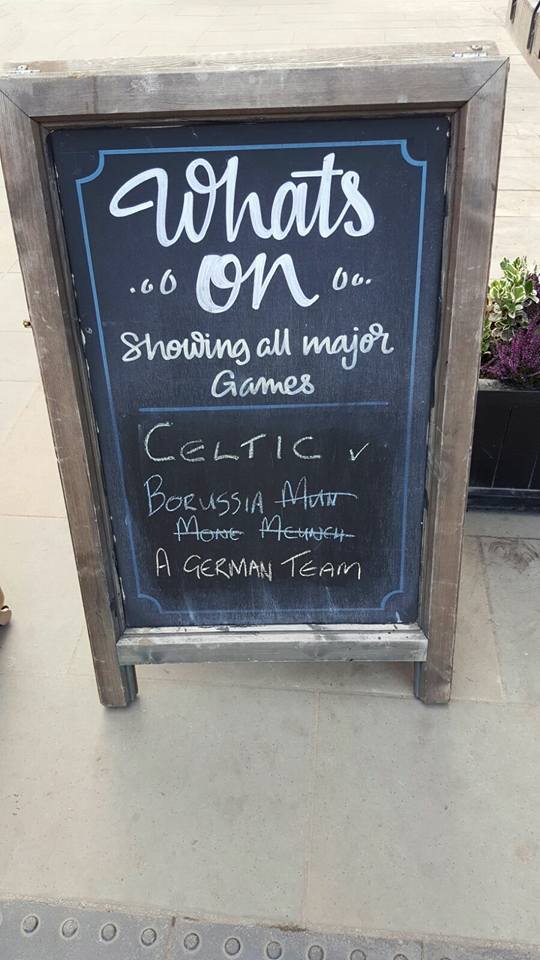
[ I remember Borussia Mönchengladbach’s English account was often going quite viral for the ’German team’ joke. ]
Yeah, that was my colleague Matt. That’s a perfect example of seizing an opportunity to create a piece of witty content. But nobody could have expected how well it went down – you can’t plan for virality. That was a really fun era of football Twitter that doesn’t exist anymore.
[ Can you talk about your decision to start your own ghostwriting business? ]
After nearly ten years in Munich, I wanted to live a nomadic lifestyle for a bit. I took a short break from football and fell into ghostwriting for tech leaders. It paid well, but I didn’t really have a clue what I was writing about and quickly realised there was a limit to how creative I could be in industries without expert knowledge.
I wanted to find my way back into football – but on my own terms. Social media or freelance reporting doesn’t pay particularly well. There’s a sense that, you’re working in football, it’s a privilege that millions would do for free, so be happy with what you get. In my 20s with no responsibilities, that was okay but as I’ve gotten older, I’ve realised I wouldn’t be able to retire if I stayed in those sorts of jobs.
[ How did you decide on this idea around personal branding for people in football? ]
First of all, I know the industry very well, so I have an information advantage. There are a lot of agencies that do great work, but they don’t necessarily have the “footballspeak”.
I’ve always been fascinated by who footballers really are off the pitch. I grew up watching the likes of David Beckham and Wayne Rooney get absolutely battered by the media and always wished they would just speak out on their own terms. To be fair, Wayne does that a lot now on his podcast.
I love publications like The Players’ Tribune because it gives players a voice and a place to tell their story. As a fan, I appreciate hearing stories that take you away from the pitch. It interests me a lot more than curated highlights on platforms like Instagram and TikTok.
Right now, there’s a wave of players – active and retired – joining platforms like LinkedIn and Substack to build brands away from the pitch and show that they have more about them than just being footballers. I love that, and I think we’ll see more and more moving over in the near future.
For me, that makes it the perfect opportunity to use my skillset in an industry I’m passionate about.
"I’ve always been fascinated by who footballers really are off the pitch"
[ Do you think clubs and organizations are worried about this movement/trend of players going direct with their own content? My guess is that if Bukayo Saka starts a substack tomorrow, people at Arsenal are going to be concerned. ]
They might be, but it’s too late to stop them. The problem is that many of them have been so media-trained that they’re afraid to show their true personality. Look at the way Marcus Rashford was treated after his school meals campaign. He did an amazing thing to help children all over the country – and he was crucified for it.
I think LinkedIn especially shelters you from criticism because of the lack of anonymity. People aren’t going to hurl abuse at players when their name and employment details are attached to it. So as a player, you have a space about what’s going on outside of football, without the fear of backlash.
[ What do you make of the ’LinkedIn Liam’ criticism of Liam Rosenior? ]
I feel sorry for him. The Chelsea job, from a footballing perspective, is a poison chalice that ultimately proved too much for him. The LinkedIn Liam label had nothing to do with his coaching credentials; it was pure prejudice. In my opinion, he was kind of set up to fail. Obviously, he didn’t deliver the results quickly enough, but there are bigger issues at that football club – a whole topic for another time!
[ Will that image put others in football off using LinkedIn? ]
I don’t think so. The meme of the cringey LinkedIn poster has been around for a while, and it transcends football.
I appreciate it’s different if you’re in the public eye, but for coaches and founders in the industry, no one’s paying as much attention as you think. You’re the only one who thinks it is embarrassing. You have to consider the alternative – if no one knows who you are, you or your business won’t survive. At some point, you have to get over the hurdle.
There are a lot of coaches on LinkedIn using the platform to show their expertise to attract new opportunities. But this isn’t a new trend – they’ve been doing this for years on other platforms like Twitter and their own blogs. Look at René Maric. Clearly, he’s an excellent coach; he wouldn’t be working with this Bayern team if that weren’t the case. But would he be in that position if he hadn’t spent years building his reputation and sharing his ideas on his blog (Spielverlagerung)? I wouldn’t make that claim, but his efforts certainly didn’t harm his chances.
The pathway exists if you stick to it. The problem is that it generally takes longer than people are willing to wait.
"if no one knows who you are, you or your business won’t survive. At some point, you have to get over the hurdle"
[ What does your process look like when someone comes to you? ]
People usually come to me with one of two problems – either they know they need to be on LinkedIn but don’t know how, or they simply don’t have time to do it themselves. CEOs are often proficient writers, but they have a million other things to worry about; footballers and coaches have expertise, but don’t necessarily have the storytelling skills to package it.
I have two main offers: either I ghostwrite content for you, or I’ll help you fix your positioning and build a content strategy so you feel confident to do it yourself. But it’s not just a case of making stuff up for them, I interview my clients regularly and use those calls to extract as much insight as possible: who are they, what problems are they dealing with, what’s getting them out of bed every morning.
Everything we publish is their own words – I just help them put it together in a coherent format. It’s no different from a book ghostwriter, just in a different form.
[ What does success look like for you and your clients? ]
I want to become the person footballers go to when they want to own their narrative. That’s the big vision.
I’m not there yet. I’m still building relationships, breaking into the right circles, and earning trust. I’ve got one ex-pro who’s doing really well, and the rest of my clients are coaches and CEOs.
For my clients, I don’t promise results I can’t control. I can’t guarantee how many likes a post gets or whether it brings in followers.
What I can promise is sustained visibility. The same truth has held for all my clients and my own business: if you publish content consistently over a long enough period, good things will happen for you.
But you need to know what you are doing, which is where I come in.