One of the biggest stories in football over the last decade has been the data revolution. The availability of data, video and information has transformed almost every aspect of the game - most notably scouting, transfers and match preparation. Arguably the single most important company enabling this ‘revolution’ is Wyscout. Covering over 1,000 competitions around the world with hundreds of thousands of individual player profiles, its depth is unmatched.
Hristo Banchev has lived a real football life. After almost a decade as a professional footballer, he joined Wyscout in 2011 as one of the first members of its new Bulgarian office. Over nearly 14 years at Wyscout (later Hudl), Hristo ran quality assurance, managing large international teams and hiring and training hundreds of analysts responsible for accurately collecting football data.
In this interview, Hristo talks about his journey from a promising talent who made his debut in professional football at 16 to his disillusionment with the game that saw him retire early. He saw Wyscout’s transformation from a small Italian start-up into a global industry leader from the inside and the changes that followed its acquisition by Hudl in 2019. He also explains why he believes AI will soon be responsible for most football data collection and discusses his latest venture, Bani10.
The interview has been condensed and lightly edited for grammar and clarity.
[ Playing career ]
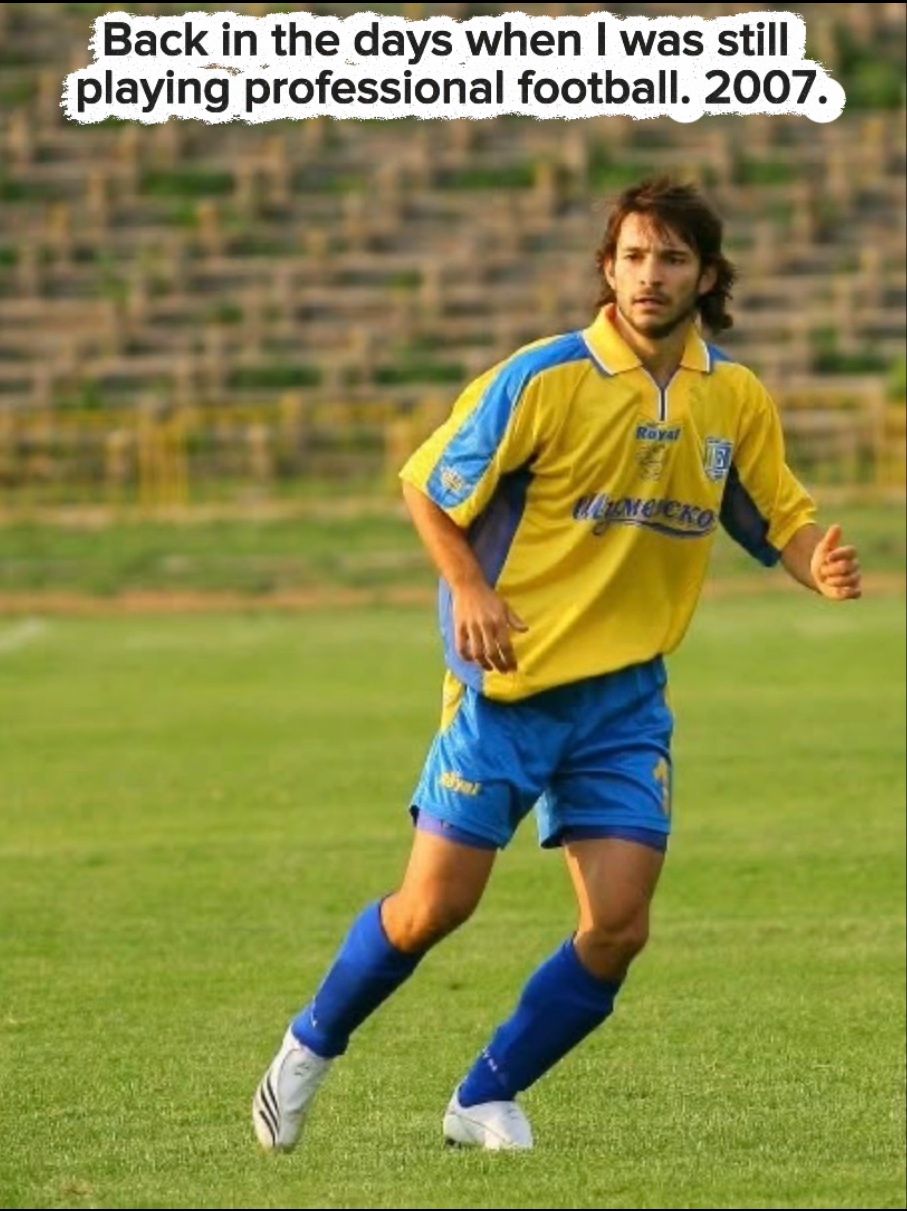
My hometown is Shumen. I’m sure that you’ve never heard of it! I started to train when I was about 8 years old. I went through all the early stages of the youth academy and when I was 16 years old, I made my debut for the men’s team in the second division here in Bulgaria.
Sadly, when I was, maybe 19, I had an ACL injury and needed an operation. I came back and continued to play but I missed around 8 months, and for a young player, that’s not a good thing to happen - especially back in 2005.
Next, I signed for a team called Montana, who were playing in the first division. I went there and played for one season before coming back again to my hometown. In Bulgaria, there are a lot of problems with the financial part of the game. Many presidents don’t give salaries on time and for a few months, you are waiting to be paid and it’s very complicated. To be honest, after 20 years, I still hear the same things, so maybe not much has changed.
I was 25 and I asked myself, ‘Can I stop playing now?’. I already had a lot of experience as I’d started to play at 16. I was still young but, to be honest, I didn’t like the whole structure of football in Bulgaria in general. Many things were always happening in the background, a lot of fixed games were played and things with which I was not very happy.
I had a few agents who promised me opportunities to play abroad in China and Germany and many other countries but it didn’t happen in the end. So, at 25, the best age for a football player, and after 8 years as a professional in the first and second divisions, I decided to stop playing. I was so disappointed from everything in football and that moved me to realize that I needed to change my direction.
[ And then you managed to end up right back in football, albeit in a very different role, at Wyscout! ]
Yeah, it's really interesting, because for football players, it's not uneasy to change their life, because you’ve done the same thing since you were a little kid. When football players stop playing, most of them become coaches because they don’t know what to do with their lives. They are only used to being on the pitch.
When I started to think about leaving football behind, I started to look for a job. But I didn’t have any university - I stopped my education early because I was the most promising talent in our academy and I was sure that I would become a great player! Anyway, I started to look for a job and saw a job ad from Wyscout. They were asking for 3 things - to have a little computer knowledge, to speak English and to understand football. Those 3 skills were all I had at the time!
It seemed like a great opportunity and I decided to apply. I still wasn’t even sure that I was going to stop playing but I wanted to try. I created a CV - I’d never done that before, I had no idea what I should put. Anyway, they liked me and invited me for an interview. That’s how I started working for Wyscout back in 2011.
"They were asking for 3 things - to have a little computer knowledge, to speak English and to understand football. Those 3 skills were all I had at the time!"
[ What was your first role like at Wyscout? ]
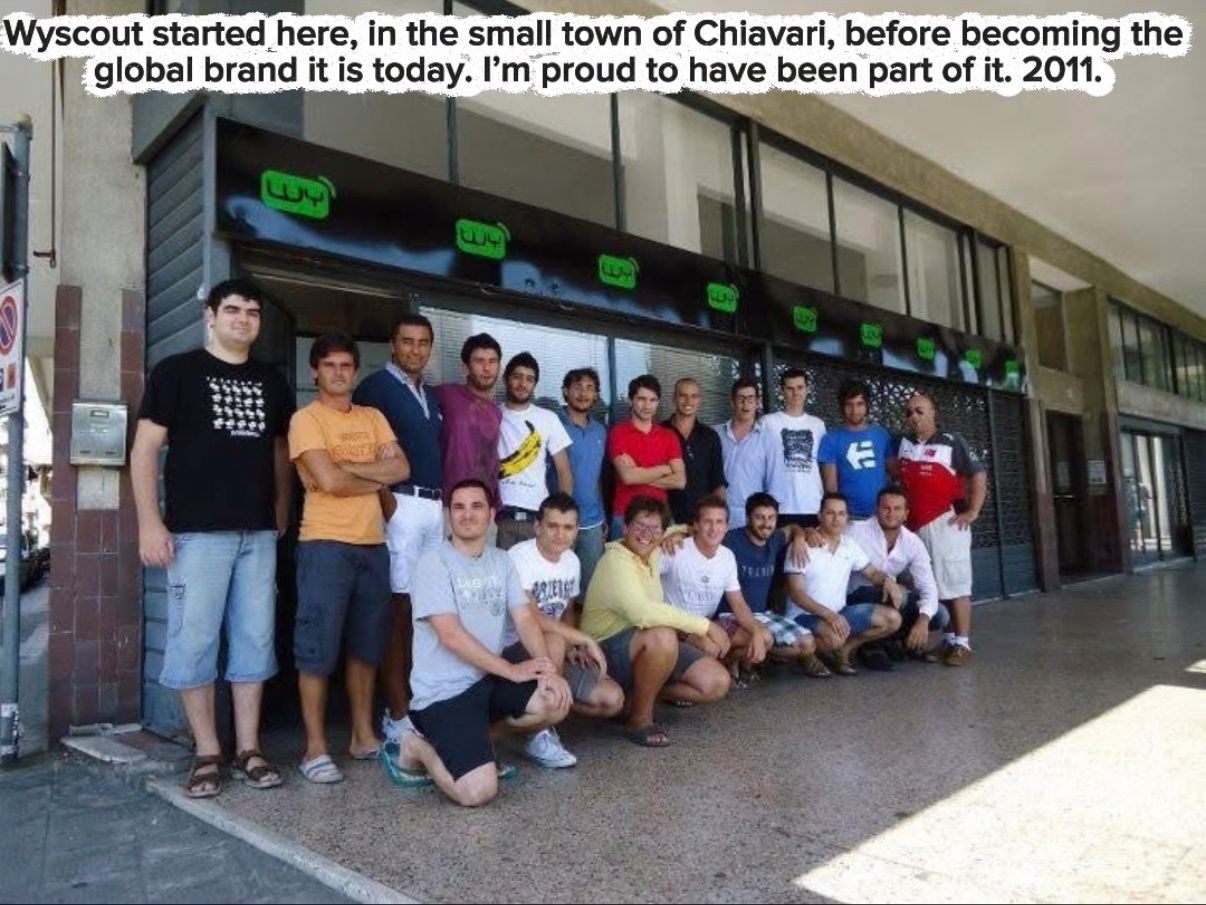
In the beginning, the Wyscout office was in Chiavari, a small town close to Genoa. Bulgaria was the first place they set up an outsourcing office. We were 3 people from Bulgaria and went to their offices. There were maybe 15 or 20 people in an office that had been some kind of garage. We went there to train and understand how we should tag each football event.
Then we came back to Bulgaria to train other people. After a few weeks, in Bulgaria, we were around 10 people and we had every week each of us were focused on a specific competition. For example, one week I was responsible for the Brazilian Serie A, the next week, Brazil Serie B and the third week, the Primera Division in Spain and then we started the ‘circle’ again. Using Sportscode, the software, we selected and added about 10-15 events per player, per game. Not everything, just the most interesting events they did on the pitch. That’s how we started.
[ Is the process still like this today? Is it still so manual? ]
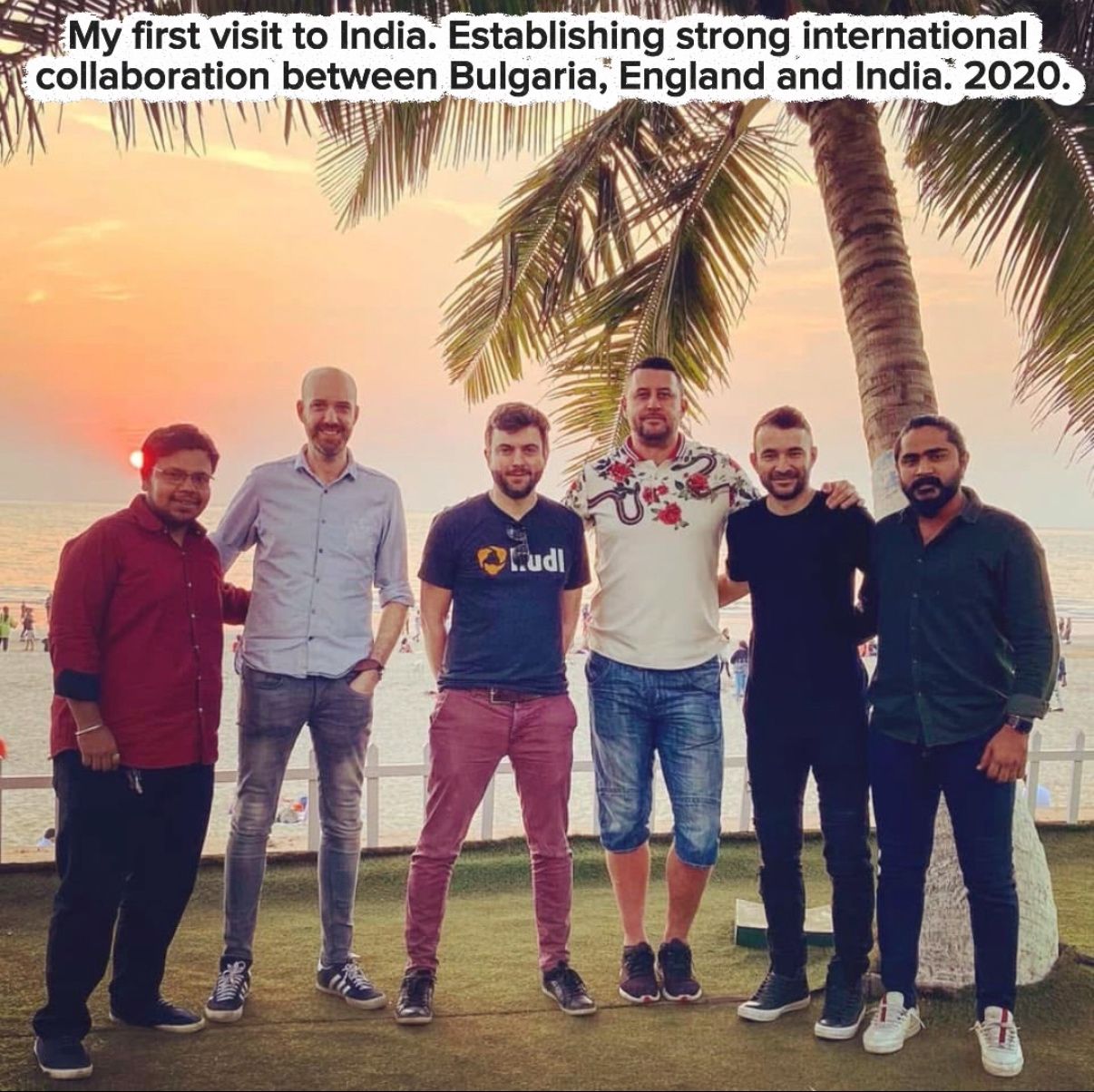
Of course, after 15 years, we developed and improved the process a lot, but now, we analyze - I’m still saying ‘we’! I’m not part of it anymore but they are analyzing in a similar way but tracking now everything happening on the pitch. Every pass, every cross, every tackle, everything that happens is tracked. There is a software where you select specific buttons to ‘explain’ the action - so, okay, it’s a pass and then we specify if the pass is successful or not successful and things like that. Today, around 600 people in India are doing this just for Wyscout.
[ Are they doing this live or is it recorded matches usually? ]
It's recorded. There is an SLA depending on the club’s account, for some of them you have to deliver the analyzed game within 8 hours or within 16 hours and things like that. But there is no live tagging at the moment. We tried a few years ago but it was very difficult - for the biggest competitions you can do it but in other leagues, the live stream is sometimes interrupted or there are other problems and it’s not possible.
[ Most of your career at Wyscout was in quality assurance (QA) - what exactly does this mean in a football data context? ]
At the beginning, at some point, we realized that some of the taggers - we call them analysts - were not always so seriously following the process. They might skip some events or just not do a good job in general. In life, everything happens like this, you make a mistake, you understand it and you realize that you have to change something. That’s why we invented the QA process there and started to have people who would check your work.
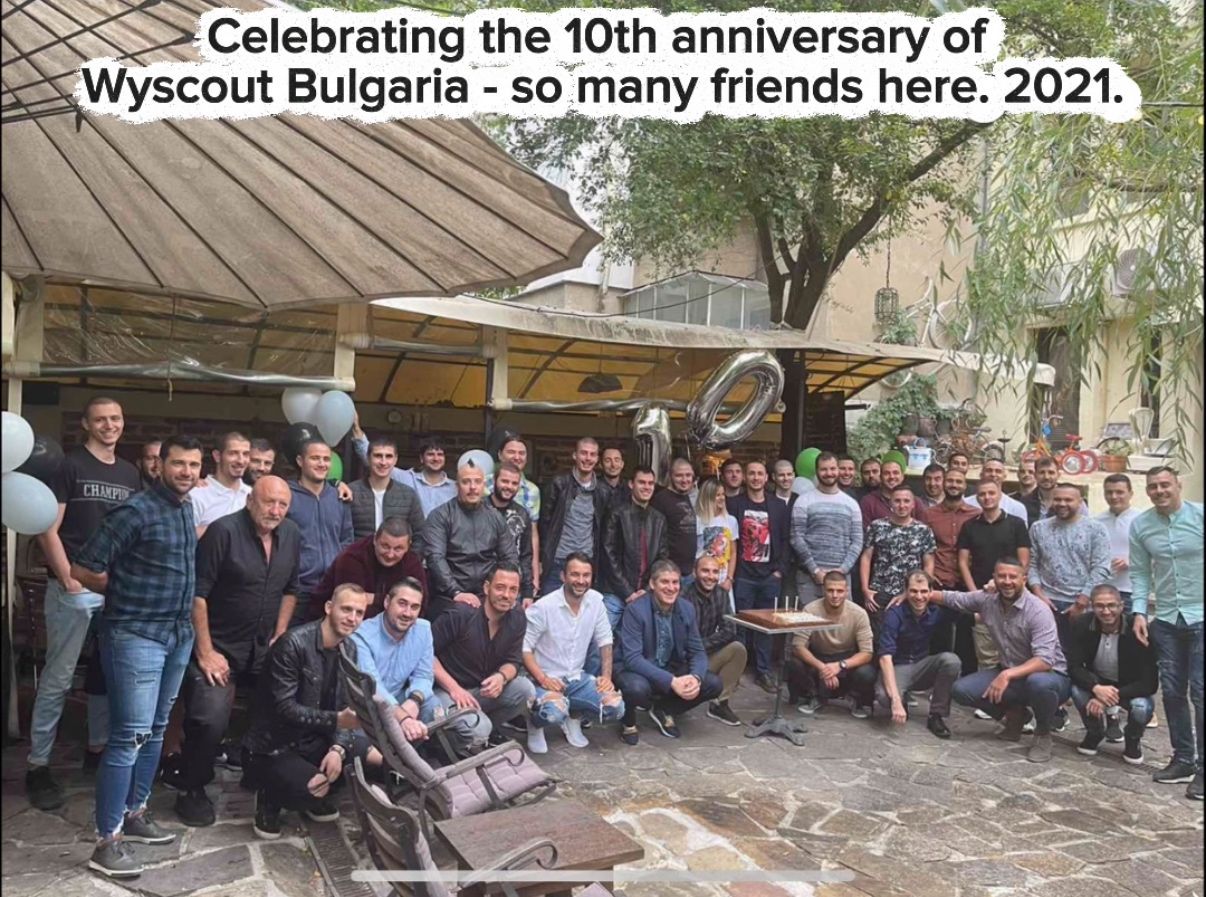
Over the years, my team expanded a lot. We started with a few people but at some point, we had 200 people working in Bulgaria but we also had people in Russia, in Ukraine, in Senegal, all over. All of these people were managed from Bulgaria - the main office in Italy was strictly about marketing and IT, while everything about the production was first organized in Bulgaria.
We invented a point system where every mistake would receive penalty points. For example, if you select #6 is doing the action but it was actually #4, you are delivering incorrect information to our customers, so that’s why you are receiving penalty points. Depending on the scale of the mistakes the point system created your rating and this is how we started evaluating the taggers.
[ Did you do this via random samples? ]
Yeah, in a random way, we selected one goalkeeper, one defender, one midfielder, and one forward, so, four players, and we checked some of their clips. Not everything they did, but let's say around 50 events from 100 or more. So, always, the rating was an average and based on some assumption that if you made these kinds of mistakes, probably you did it for the other players.
It was not a perfect system, but even with our resources, we cannot check every game, it's not possible. So that's why we created this system, and we implemented it in every office that we had over the world.
[ You built a ‘glossary’ of over 1,400 clips with definitions and explanations of football actions - how did you use this? ]
This glossary was one of the biggest, or, let’s say, one of the most interesting projects that I did during my working time in the company. The glossary was something that I created and improved through the years, adding more and more different situations and explaining everything with video examples. There were more than 70 chapters with explanations and video examples for each event. For example, a through pass - it could be a long through pass or it could be passed on the ground, we have examples for all these things and when they count as a through pass and when they don’t. If the pass is directed towards the sideline and not leading the player receiving the ball towards the goal and the goalkeeper, then we don’t count it as a through pass. But also, if it’s an attempt for a through pass but the defender blocks it, we still count it because it was the idea of the player. All these little details are covered in the glossary.
It was mostly created for the taggers, when they have doubts they can check the ‘definitions’. Also in the QA process, relevant examples in the glossary are automatically linked to the feedback. It took maybe a couple of months to create because I had to collect a lot of examples and explanations and to explain it in the easiest way but it was a really interesting project and I improved it a lot through the years too.
[ I think, ‘on paper’ these types of jobs at Wyscout and similar companies sound really attractive for someone who likes to watch football but there’s clearly a lot more that goes into it than ‘just watching football’ - what were some of the misconceptions people had? What made someone a good analyst? ]
Yeah, it’s like you say. I trained a lot of people, I did a lot of job interviews and everything else and when they see the job offer and think, okay I have to watch games all day - perfect job. But very quickly, when you start working, you see that it’s very repetitive work. And you’re not watching the Champions League or the Premier League! You might be watching games from the Chilean 3rd division or an U15 league in India where the view from the camera is bad or the quality is poor and you can’t see what’s happening on the far side of the pitch - it’s very difficult.
For me, the most important thing was that they had some football understanding. We had a lot of ex-players - even if they were usually not so good with computers, they understood the game - and it’s a simple software, you have maybe 50 things to learn and if you understand football, in general, it’s not a problem to learn the software. Of course, we didn’t only have ex-players but also enthusiasts and many other people.
The problem was always the turnover because, sometimes, it becomes a very boring job and after a couple of months, if you’re not having good results, you probably won’t like it anymore. We lost a lot of people and the turnover rate was really high, we were always hiring new people.
"You’re not watching the Champions League or the Premier League! You might be watching games from the Chilean 3rd division or an U15 league in India"
[ I think a lot of companies are/were working on similar software, why was Wyscout the ‘winner’ or, at least, the most used scouting program? ]
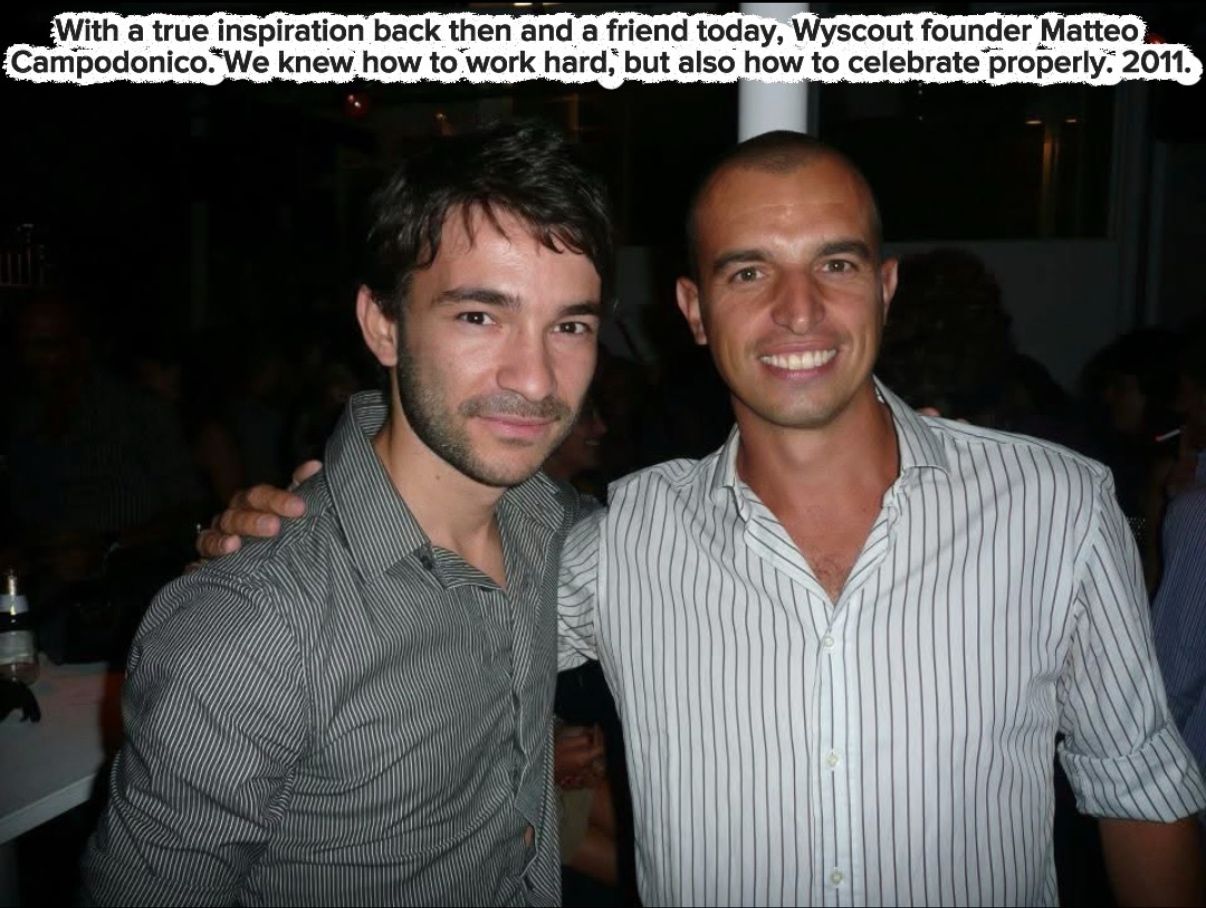
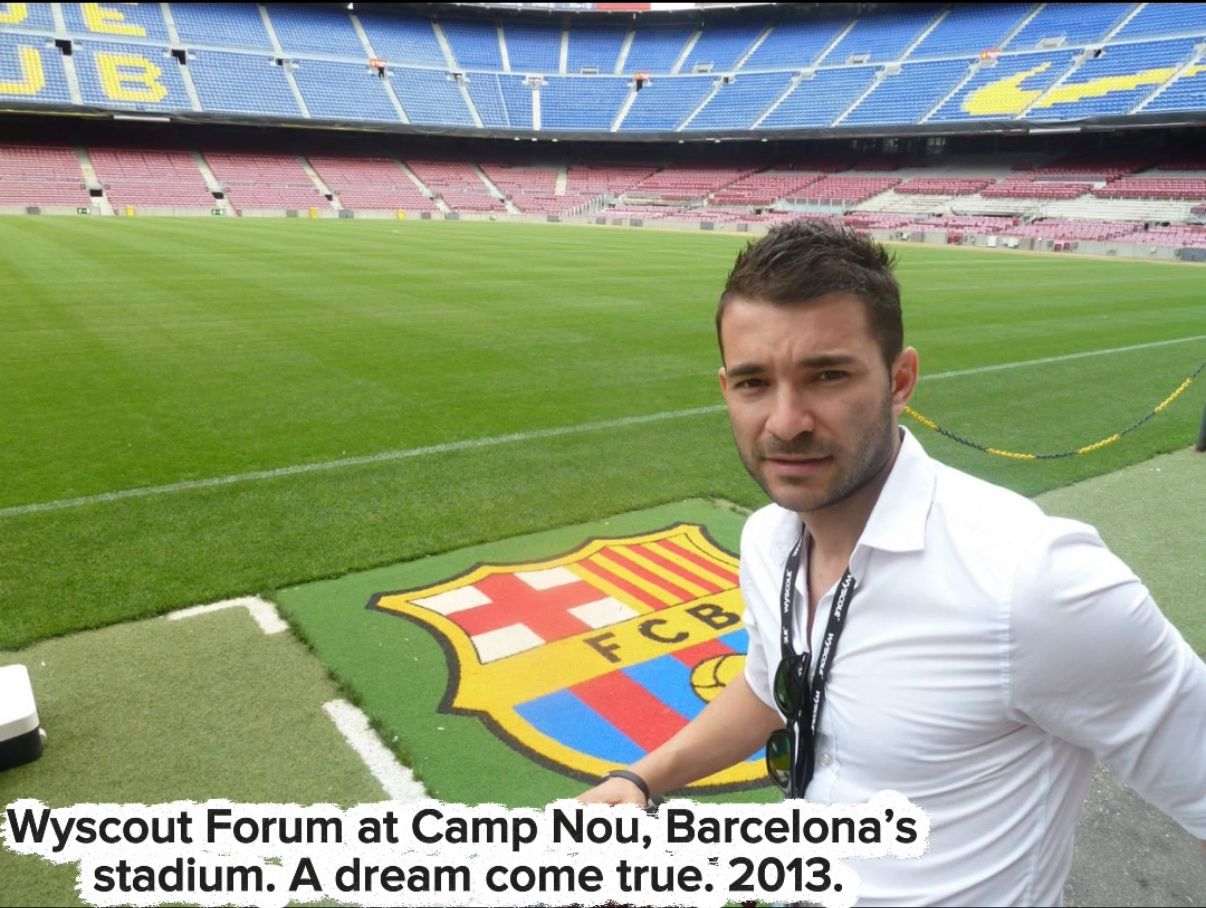
Because they were the first. It’s almost as simple as that. The CEO, Matteo Campodonico - who’s the nicest guy in the world - had a vision back in the day and they started just recording with cameras some games in the lower divisions in Italy and then asking the teams if they wanted to have the analysis.
Over the years, a lot of competitors came but they were just copy and paste versions of Wyscout. And then, Hudl came into the space. It’s a really huge company and they just bought everyone. They bought Wyscout, they bought InStat, they bought StatsBomb, and in this way, you don’t have competitors…
[ How did things change when Hudl bought Wyscout? ]
When we were only Wyscout, the feeling in general - even though we also had hundreds of people working there - was more like a family company. A lot of us had started together, it was easier to organize and manage many things, if you needed something, you knew who to go to and things like that. I knew and was friends with the big boss.
Hudl is a big, corporate world. You don’t know who is a few levels above you. Many people who are not directly involved in the working process take decisions. That was the biggest change.
I spent 5 or 6 years in Hudl when they bought the company and after 4 years, they moved everything to India. At that time, we had facilities in Bulgaria, Uzbekistan, Ukraine and Kosovo, more than 500 people were let go. Of course, it’s a matter of money and it was cheaper and they already had big offices in Mumbai and Pune so it was easier for them. There were only four of us from Bulgaria, managers of different departments, who stayed and worked remotely. The last two years were like that, I was managing a team of more than 80 people remotely and with my team, we trained them - it’s difficult and not an easy thing to train the people that you know will be taking your job, but that’s the world!
"It’s difficult and not an easy thing to train the people that you know will be taking your job, but that’s the world!"
[ Do you think this analyst role, the data entry part, is going to be replaced by AI? ]
100%, it will happen. I know there is some work happening in that direction. It doesn’t matter if you like it or not, it’s going to happen. If now you have 500 taggers covering all the games, at some point, probably in 1, 2, 3 years max, you’ll only need 50 people for this.
The whole process could be optimized because AI is a learning system in the same way that when you have new recruits, you have to train them to explain what is happening. But the biggest difference is after a few months, some of the taggers will leave and you have to start from scratch with someone new. With AI, you have no annual leave, no sickness, no boredom and constantly improving software.
Still, it doesn’t matter how many rules and details and glossaries we create, there will always be a lot of subjectivity in the job. You can see one situation and think the player tried to cross the ball but I might think he tried to shoot, it happens a lot. So, while I’m sure that AI will replace a lot of people, people will remain the most skillful ones and will exist to check the AI’s work, especially in the complicated situations and the final outcome will be better accuracy. I can imagine around 80% of the job will be done by AI and maybe 20% will be done by humans.
"With AI, you have no annual leave, no sickness, no boredom and constantly improving software"
[ You left Wyscout/Hudl and started your own company, why did you decide to leave and what are you doing now? ]
So, it was not exactly my decision to leave Hudl as they decided that they can continue without me, which is totally normal, and I'm fine with that, because it was difficult and I lost a little bit of my passion, especially staying home all day and managing a team remotely, I didn’t feel very involved in the way I had been.
When I stopped working with them, I decided to use all of my experience and try to create something on my own. That was Bani10 - the name is a nickname, ‘Bani’ from my last name Banchev and 10 was my number when I was playing. In some ways it’s a more local version of what we were doing at Wyscout, it’s a platform to analyze games for coaches or teams that don’t have resources or analysts in the club.
Also, many people are looking for highlight video compilations. For example, if a parent has a 15 year old son and wants to create a highlight video to promote him or there is a professional player, who wants to transfer clubs - I can create tactical highlight video with his actions in both phases (defence and attack) from several different games showing his quality, tactical, technical and physical abilities.
[ Do you have a long term vision for Bani10? What does success look like? ]
Yeah, I don't know what's going to happen. For sure, I have plans to improve it. Also, I have the connections and the people that, if it becomes good enough and I have enough customers, I have a lot of ex-colleagues that I could bring on and who could help me.
But, as you see, everything can change very fast! I will need some time to adjust and see how I can combine both things, because I'll probably need to focus on my new adventure. But Bani10 will always be available and if anyone has any needs and wants to connect with me, I’m happy to help.
—^interviewer’s note: Hristo is considering an offer to become an assistant coach for a team in the Bulgarian second division.